Russian Troops Retreat as Putin's Offensive Drowns in Mud
The Impact of Seasonal Changes on the War
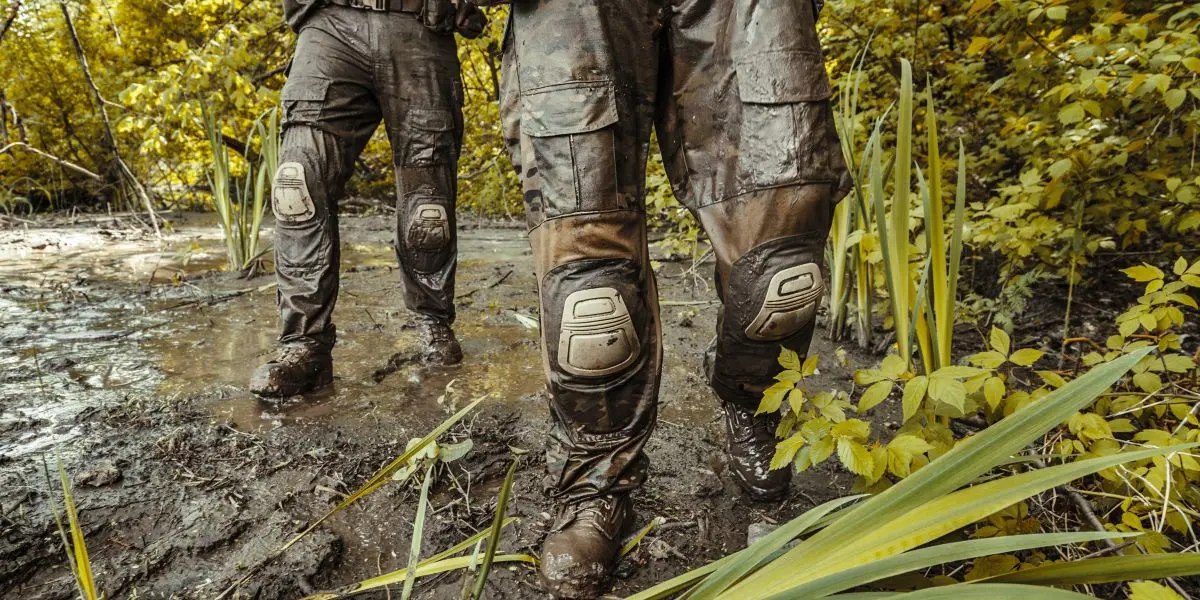
Sometimes, shifting weather can do more damage than heavy artillery. Right now, the changing seasons are significantly influencing the pace of an entire war. As spring approaches, the battlefield is being transformed by a phenomenon known as the "rasputitsa," which has proven to be a major challenge for military operations.
The Seasonal Mud Trap
Russian troops are currently losing ground, according to reports from the Institute for the Study of War cited by Onet. The invading army has given up over a hundred square kilometers in April. A thick, impassable mud caused much of this retreat. Locals refer to this spring thaw as the "rasputitsa," a period when heavy rain turns frozen dirt into a paste that swallows armored vehicles.
This phenomenon is not new. History buffs know that similar springtime mud effectively crushed Napoleon’s advance and later ruined German plans during the Second World War. Now, it's once again playing a critical role in the current conflict.
Communication Goes Dark
Beyond the weather, Russian commanders face a massive technology crisis. Blockades have recently knocked out their access to Starlink satellite internet and the Telegram messaging app. This disruption has had significant consequences for their operations.
One frontline fighter described the sudden shift: “Without Starlink, they were practically regressed to Cold War-era communications,” said Konosh, a Ukrainian soldier interviewed by the Kyiv Post. Defending units quickly took advantage of this weakness. “This gave us a real advantage. We were able to exploit their weaknesses when their communications system was destabilized,” added Luna, a Ukrainian company commander, also speaking to the Kyiv Post.
The Wall Street Journal notes that this communication failure helped Ukraine reclaim significant ground, giving them a strategic edge.
Deadly Skies Above
While the ground turns to soup, the air carries a different threat. Weaponized drones now swarm the airspace above the trenches. Austrian military historian Markus Reisner analyzed the battlefield for the German network ntv. He explained that these remote devices have created a fifty-kilometer death zone right on the front lines.
“They can detect and neutralize even the smallest assault forces,” Reisner says. “This is very beneficial for the defenders.” He noted that Ukraine has found a way to stop the Russian advance, using these drones to their advantage.
The Next Major Target
Right now, both armies are focusing heavily on the eastern city of Konstantynovka. Russian forces are desperately trying to break through this vital defensive barrier. Experts estimate that the invading army already holds a quarter of the town. “We’ll be hearing a lot more about this city in the coming weeks and months,” Reisner predicted on ntv.
Ukraine still struggles with a lack of fresh troops. Even so, the defenders continue to hold the line against a much larger enemy. Despite these challenges, Ukraine's tactics seem to be working, as evidenced by recent developments such as the halt of Russia’s second-largest oil refinery.
Conclusion
The combination of seasonal challenges, technological disruptions, and the use of advanced drone technology has significantly impacted the current conflict. As both sides continue to maneuver and adapt, the situation remains fluid and unpredictable. The next few weeks will likely bring more developments, especially in key areas like Konstantynovka. For now, the defenders of Ukraine are holding strong, leveraging every available advantage to counter the advancing forces.
