Ted Turner, CNN Founder, Dies at 87
A Legacy of Innovation, Philanthropy, and Rivalry
Ted Turner was more than just a media mogul. His life was a tapestry of bold business moves, high-profile relationships, and a deep commitment to environmental causes. Born in Cincinnati, Ohio, in November 1938, Robert Edward "Ted" Turner III grew up in a world that would shape his future in unexpected ways. After attending a military boarding school in Tennessee and briefly studying at Brown University, he took over a struggling family advertising business following the tragic suicide of his father. This early challenge set the stage for a career defined by resilience and risk-taking.
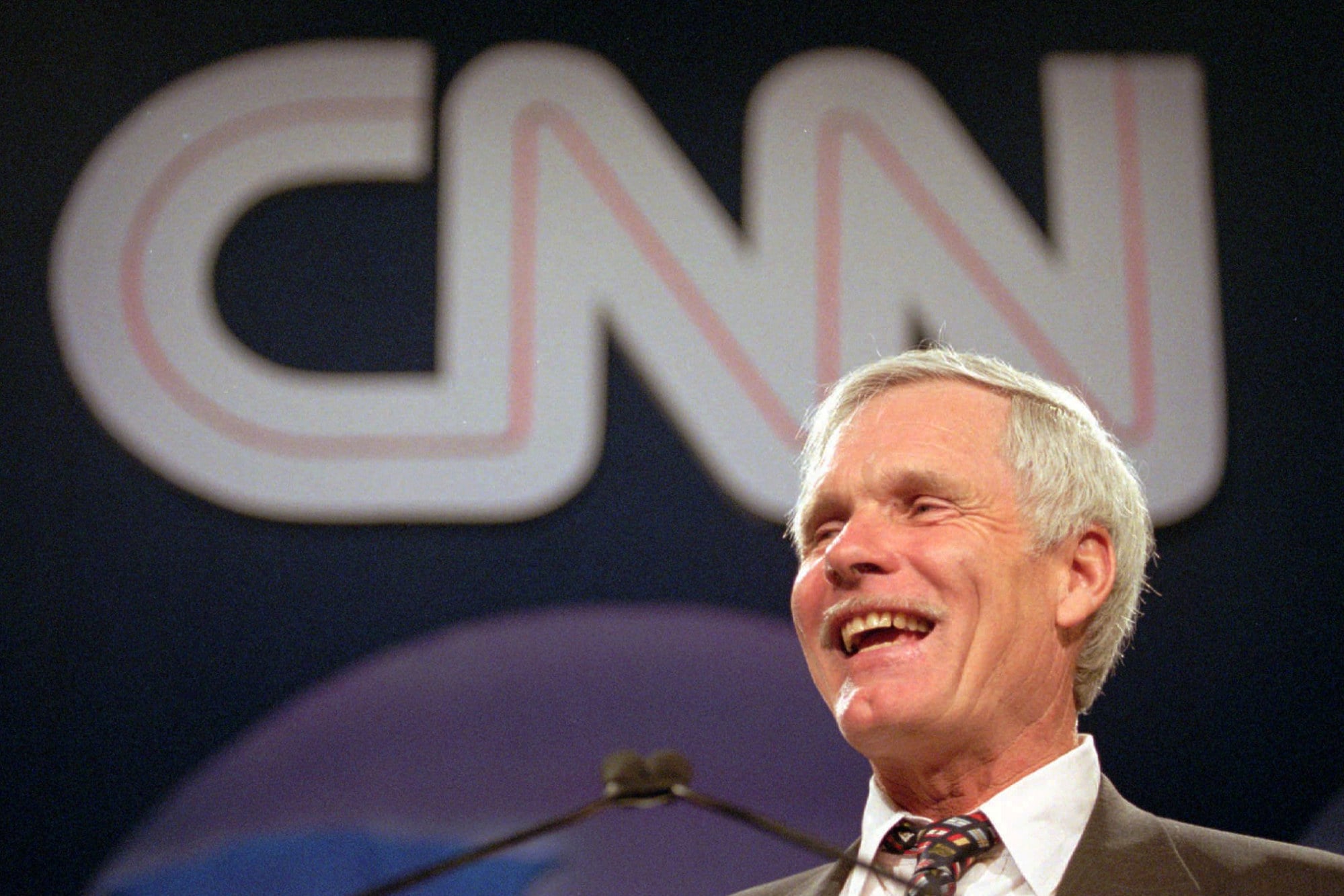
Turner's journey into the television industry began with a series of radio station acquisitions. In 1970, he purchased a struggling Atlanta station, which would eventually become the foundation of his nationwide Turner Broadcasting System. By 1980, this network had evolved into CNN, the first 24-hour cable news channel. The launch of CNN marked a turning point in how people consumed news, especially during major global events like the 1990-1991 Gulf War, where the network provided extensive live coverage using satellite technology.
Expanding the Television Empire
As CNN gained traction, Turner continued to expand his media empire. He launched TBS and TNT for sports and entertainment, Turner Classic Movies, and Cartoon Network, among other channels. His ventures extended beyond television, including a failed bid to acquire CBS in the 1980s and a brief ownership of MGM/UA Entertainment studios. Although he sold the Hollywood group back months later, he retained the rights to many of its films.
In 1996, Turner Broadcasting merged with Time Warner, making him vice-chairman of the media giant. However, the deal proved problematic when AOL acquired Time Warner in 2001 for $165 billion. The merger collapsed within a decade due to financial mismanagement, and Turner lost billions as a result.
Sports, Rivalries, and Personal Life
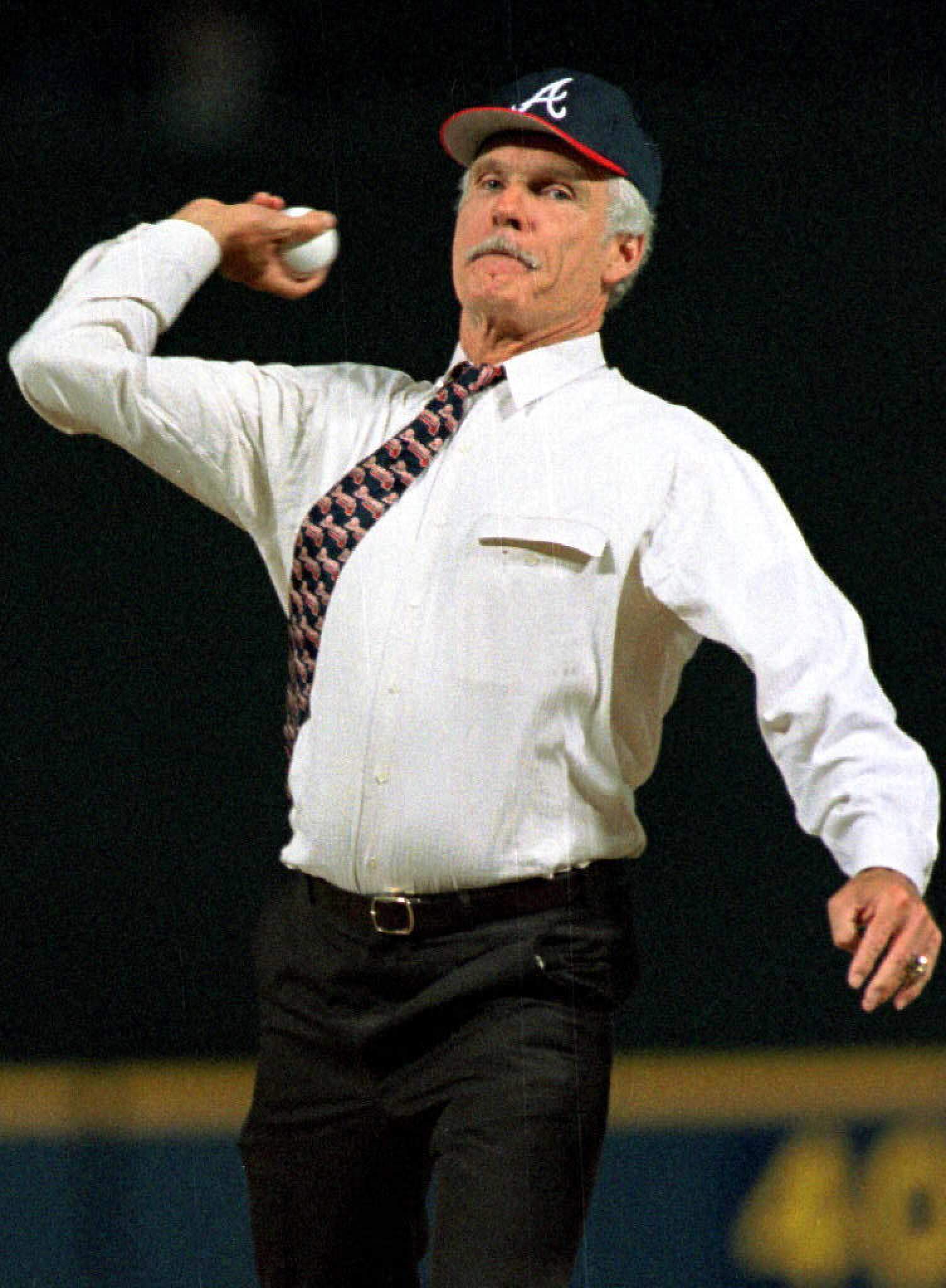
Turner’s influence extended beyond television. He owned the Atlanta Braves baseball team, which made several World Series appearances, winning in 1995. He also owned the Atlanta Hawks NBA team and the Atlanta Thrashers NHL team, both of which were transferred to Time Warner as part of the 1996 megadeal.
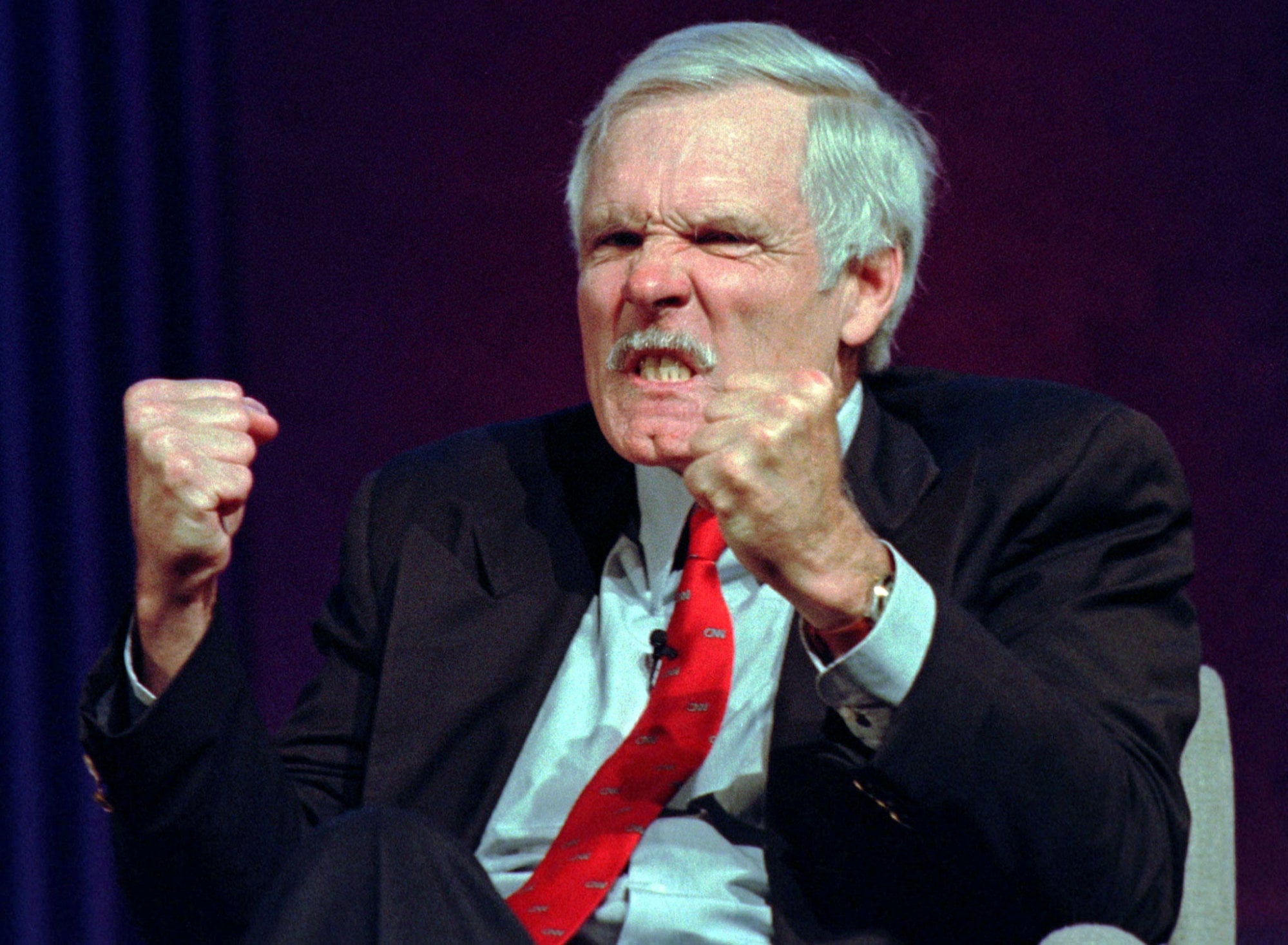
In addition to his sports ventures, Turner was a competitive yachtsman. He skippered the US yacht Courageous to victory in the 1977 America's Cup. His rivalry with Rupert Murdoch, the founder of Fox News, intensified in 1983 when a Murdoch-sponsored yacht collided with Turner's, sinking his vessel. The incident led to a public challenge for a fist-fight between the two media moguls, further fueling their long-standing competition.
Philanthropy and Environmental Advocacy
Beyond his business and sports endeavors, Turner became known for his philanthropy and environmental activism. In 1996, he criticized the concentration of wealth in the hands of a few, stating, “All the money is in the hands of these few rich people, and none of them give any away.” His commitment to giving back led to the creation of the UN Foundation in 1998, where he donated $1 billion to support climate change, sustainable development, and health initiatives.
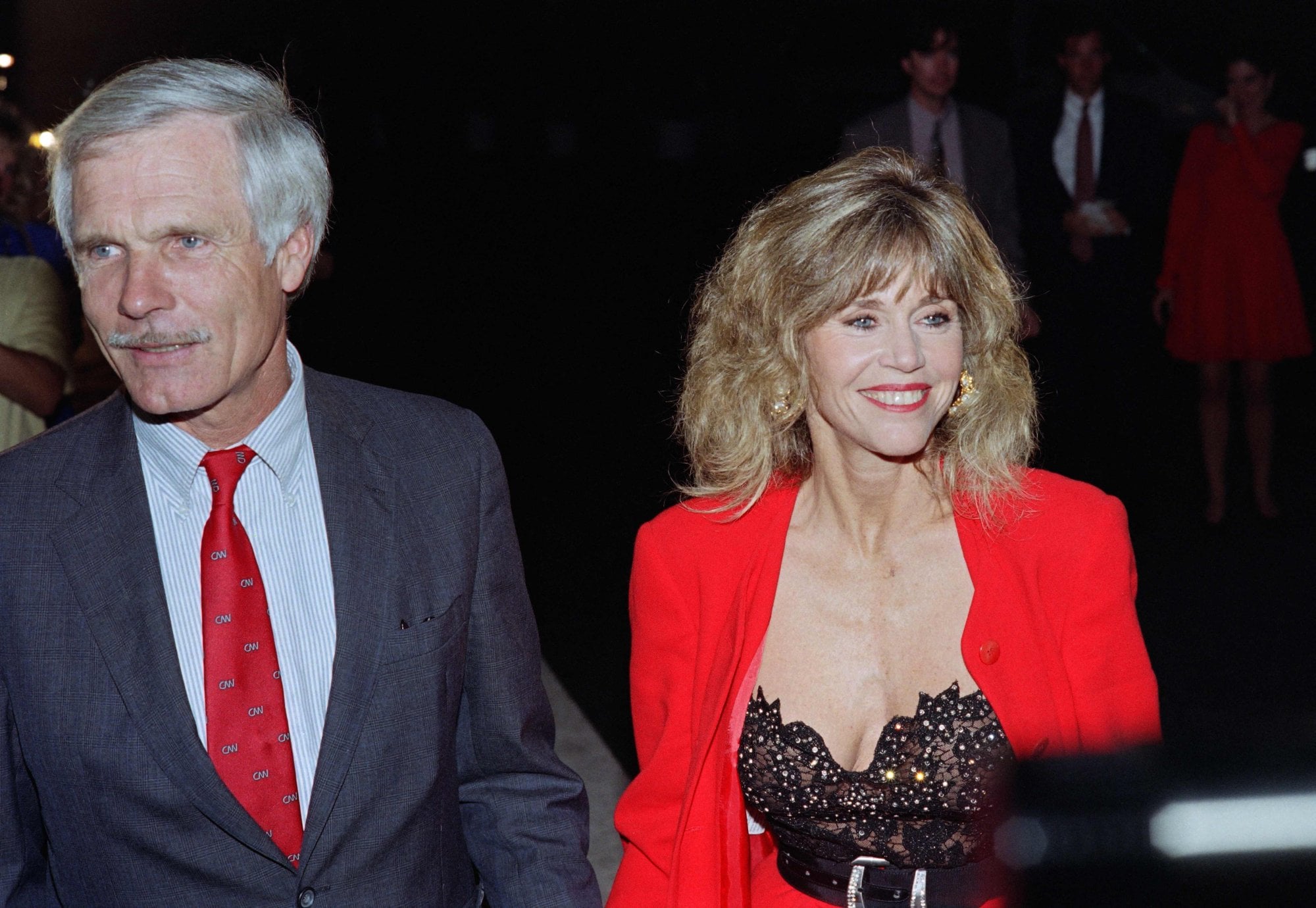
Turner was named Time magazine's Man of the Year in 1991, the same year he married actress Jane Fonda, his third wife. Their marriage ended a decade later, with both parties offering different perspectives on the breakdown of their relationship. Fonda described it as a demanding partnership, while Turner blamed her conversion to Christianity.
Foundations and Conservation Efforts
Turner founded the Turner Foundation in 1990, which has since focused on fighting climate change and improving air and water quality. The foundation has distributed over $380 million in grants. Additionally, the Turner Endangered Species Fund, launched in 1997, has worked to protect various species, including gopher tortoises, monarch butterflies, and leopard frogs.
In 2015, Turner launched Ted Turner Reserves, an ecotourism venture that allows visitors to explore his properties in New Mexico while learning about conservation efforts. Through these initiatives, Turner left a lasting legacy not only in media and business but also in environmental stewardship.
A Lasting Impact
Ted Turner's life was a blend of innovation, ambition, and compassion. From revolutionizing news broadcasting to championing environmental causes, his contributions continue to influence industries and communities around the world. His story is one of resilience, risk, and a deep commitment to making a difference.
