Texas becomes first state to test uncommon energy source: 'There are a lot of indications that we are [ready]'
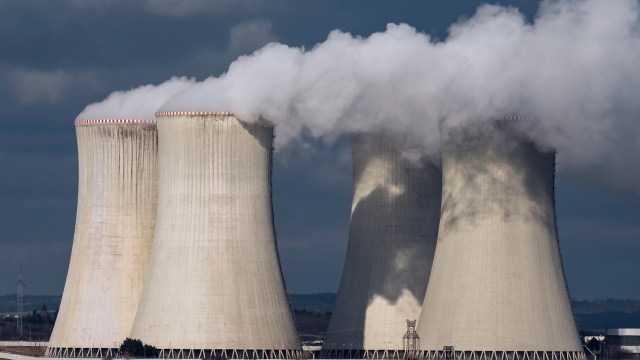
Texas is emerging as a key testing ground for small modular nuclear reactors (SMRs), a cutting-edge technology that could play a significant role in meeting the state's growing energy demands. According to recent reports, the average electricity demand on Texas' grid could nearly triple by 2050, making the need for reliable and sustainable power sources more urgent than ever.
The first SMR in Texas could potentially power an industrial plant by the early 2030s. These reactors are designed to generate up to 300 megawatts of electricity, which is significantly less than traditional nuclear power plants. Proponents argue that this smaller scale makes SMRs a more efficient and cost-effective option, especially when considering their potential to reduce carbon emissions.
Currently, Texas has two operational nuclear power plants: the Comanche Peak plant near Fort Worth and the South Texas Project near Matagorda Bay. Together, these facilities produce over 5,000 megawatts of electricity. In contrast, SMRs are about a third the size of conventional nuclear reactors. Their components are manufactured in factories and then transported to the installation site, which can lower initial construction costs.
Beyond their size, SMRs also have the potential to create jobs. Research suggests that deploying a 100-megawatt SMR could generate up to 7,000 job opportunities. This economic benefit is one of the reasons why some experts see SMRs as a promising solution for Texas' energy future.
However, there are challenges associated with SMRs that cannot be ignored. Edwin Lyman from the Union of Concerned Scientists has raised concerns about the "fundamental safety and security disadvantages" of SMRs compared to other low-carbon energy sources. Additionally, issues such as licensing, waste management, and cost remain areas of concern.
Despite these challenges, researchers believe that Texas may be well-positioned to move forward with SMR technology. Matt Kammer-Kerwick, a researcher at the University of Texas at Austin's Bureau of Business Research, noted that there are "a lot of indications that we are" ready to embrace this innovation. He added, "Let's talk in six months."
The interest in SMRs extends beyond Texas. Earlier this year, the U.S. Department of Energy announced $800 million in funding for new nuclear generation projects. Among the recipients were the Tennessee Valley Authority and Holtec Government Services, who will support the early deployment of SMRs.
While the focus on nuclear energy is growing, many Texans are also exploring alternative energy solutions. For instance, rooftop solar panels have become a popular choice for homeowners looking to reduce their energy bills and environmental impact. There are several savings plans available, including:
- Save $1,000 this year
- Save less this year but $20k in 10 years
- Save less in 10 years but $80k in 20 years
- Couldn't pay me to go solar
Each option offers different benefits, and choosing the right one depends on individual preferences and financial goals.
For those interested in learning more about energy-saving strategies, there are resources available. A free newsletter from TCD provides easy tips on saving money, reducing waste, and making smarter choices. Subscribers can also earn rewards toward clean home upgrades through TCD's exclusive Rewards Club.