Canadian scientists create AI tool to combat online fake news
The Role of AI in Combating Online Disinformation
Researchers in Canada are leveraging artificial intelligence to enhance their efforts against online disinformation, which aims to divide the public and distort perceptions of reality. A key initiative in this effort is the development of a tool called CIPHER by the Canadian Institute for Advanced Research. This tool uses AI technology to keep up with the constant flow of false and misleading claims circulating online.
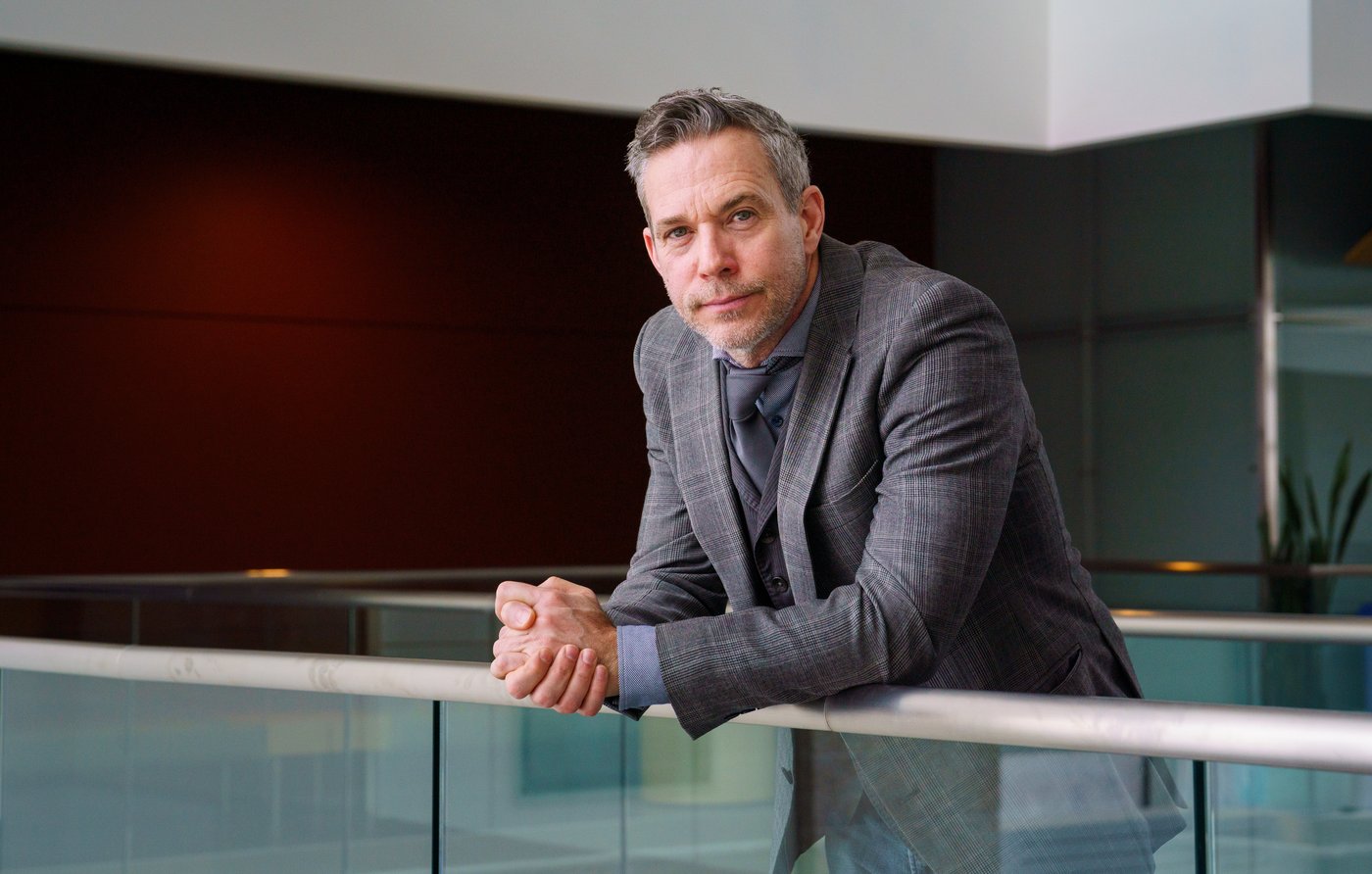
Brian McQuinn, an associate professor at the University of Regina and one of the project’s leads, highlighted that the technology currently focuses on analyzing Russian campaigns but is expected to expand its scope to include Chinese-language sources. It may also examine information coming from the United States, according to McQuinn. The tool operates by scanning foreign media sites for dubious claims, which are then evaluated by human fact-checkers.
“Russia was the main threat … targeting Canada most generally,” he said in a recent interview. “We are now beginning to shift.”
McQuinn provided an example where the system identified a Russian media outlet reporting that Alberta is moving towards independence, a claim that is factually incorrect. While separatists in the province have held events and reportedly spoken with U.S. officials, there is no current process for Alberta to separate.
“Effective disinformation often has kernels of truth in it,” McQuinn explained.
CIPHER was launched three years ago following a report by McQuinn and his colleagues, which found that pro-Kremlin social media accounts targeted far-right and far-left groups in Canada with false notions about the war in Ukraine. This included baseless claims that Russia invaded to root out a neo-Nazi regime and that Ukraine had sought nuclear weapons.
McQuinn emphasized that the overarching goal of disinformation campaigns is to tear societies apart and incite violence. He noted that these campaigns become effective when regular people share them with their friends or family.
“(Campaigns) will use events in the news and tailor stories to advance it in different ways,” McQuinn said. “It is essential for China and for Russia, especially, to show that it looks like the Western project is decaying, is falling apart economically, politically, socially.”
He added that the United States is increasingly becoming a main source of disinformation in Canada. “You have to always remember that most of Canada’s dialogue when it comes to social media is on U.S. platforms,” McQuinn said. “We have seen that Canadian news and certain types of Canadian content are being downgraded and throttled within these algorithms.”
Artificial intelligence has been the source of much disinformation on people’s social media feeds, he added, but he said CIPHER needed the technology to make debunking easier. “We are in an AI arms race around disinformation,” he said.
McQuinn's goal is to get CIPHER into the hands of government agencies or non-profits. It is currently being used by the debunking organization DisinfoWatch, which works to expose falsehoods to Canadians.
DisinfoWatch founder Marcus Kolga called for stronger legislation and regulations on digital media platforms to prevent social media accounts from spreading lies. “Us doing it alone is not sufficient enough. It requires technology and for us to harness existing technologies in order to sort of make up that gap that we have,” he said.
McQuinn mentioned that he has spoken with government agencies about using CIPHER but declined to provide details. The Canadian Institute for Advanced Research has received funding from the federal and Alberta governments.
He advised Canadians to take a moment before sharing what they see on social media. “If I’m going to forward something, what am I forwarding?” he said. “The research has shown if you just take like an extra 10 seconds, the amount of disinformation that gets transferred is significantly less.”
