Sneaky New Feature in Ring Doorbells You Must Opt Out Of
Ring's Super Bowl Ad Sparks Privacy Concerns
Ring, a company known for its home security systems, has recently drawn attention with its new Super Bowl advertisement. The ad showcases an AI-powered dog detector, which has raised privacy concerns among viewers.
Ring Doorbells function as digital peepholes, allowing users to monitor who is outside their door. The company now aims to expand the use of these devices beyond checking for stolen packages, encouraging users to look out for missing pets as well.
The ad titled "Search Party from Ring | Be A Hero In Your Neighborhood" begins with a young girl receiving a puppy named Milo. However, Milo becomes one of the 10 million pets that go missing in the US annually, according to Ring founder Jamie Siminoff.
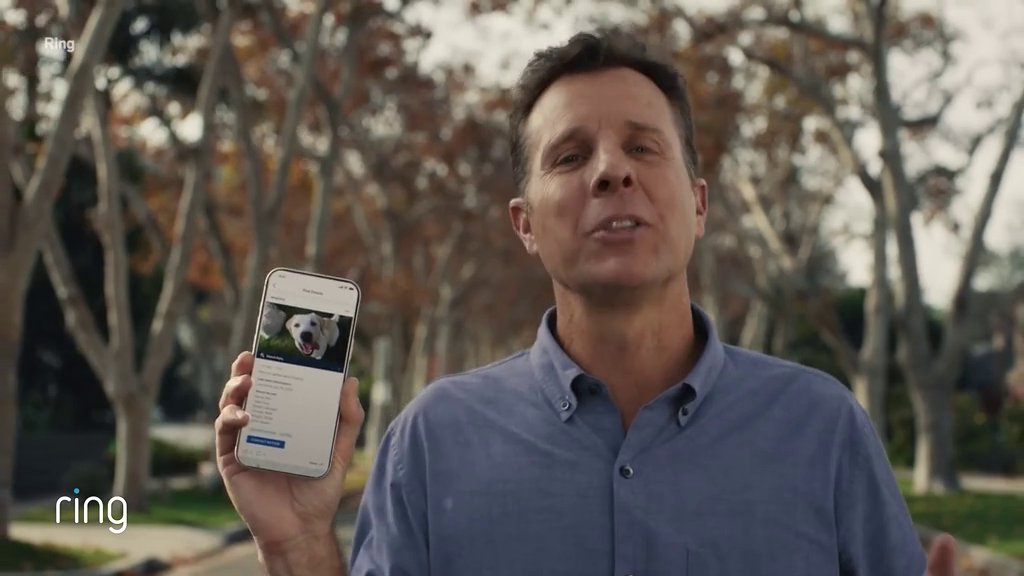
While the girl is busy putting up "Missing Dog" posters, her parents upload a photo of Milo to the Ring Neighbors App. Siminoff explains that one post of a dog’s photo in the Ring app can trigger outdoor cameras to search for a match. The ad illustrates how Search Party from Ring uses AI to help families find lost dogs.
Community Collaboration Through Technology
The ad depicts dozens of people in the local area with video doorbells, all on the lookout for missing canines. When a missing dog report is posted, nearby outdoor cameras begin scanning for matches, according to Ring's help webpage. If a similar dog is found, the owner can review the footage alongside the missing dog’s photo. Both Ring and non-Ring camera owners can participate in this process.
Users have the option to alert pet owners if they believe a filmed dog is theirs. Ring emphasizes that there is no obligation to do so for privacy reasons. Despite the positive outcome of reuniting Milo with his family in the ad, viewers were unsure about the implications of this technology.
Public Reaction and Expert Concerns
Online streamer and political commentator Hasan Piker expressed concern on X: “How much longer till the always-on remote AI capabilities of your Ring camera isn’t 'optional'.” Another user commented: “Ring offering to turn your neighborhood into an AI-fueled surveillance state under the guise of 'helping you find your lost dog' is CRAZY.”
On YouTube, a user remarked: “This is like the commercial they show at the beginning of a dystopian sci-fi film to quickly show people how bad things have gotten.” Tech privacy experts also voiced their concerns. F. Mario Trujillo, senior staff attorney at the Electronic Frontier Foundation, warned that with minor tweaks, Ring’s tool to search for lost dogs could be used by law enforcement to track people.
Marijus Briedis, chief technology officer at NordVPN, highlighted the concept of 'function creep,' where technology introduced for safety or convenience gradually expands into broader surveillance. He explained that what starts as identifying a delivery arriving or alerting homeowners to movement can evolve into tracking individuals across neighborhoods, profiling habits, or sharing data with third parties for purposes users never intended.
Company Response and Continued Development
Since the launch of the tool in November in the US, Search Party for Dogs has helped reunite one dog with its owner each day. Users were emailed about the upcoming feature, which said the function is enabled by default, stating: “You can always turn off Search Party.”
Ring has insisted that the function does not scan human faces. Mimi Swain, Ring’s chief commercial officer, told Forbes ahead of the ad airing that not covering the technical specs was a deliberate choice. She stated, “The goal wasn’t to overwhelm viewers with product details. It was to show Ring’s bigger purpose.”
Amazon, which owns Ring, mentioned in a blog post: “Search Party’s expansion reflects a meaningful step forward in Ring’s mission to make neighborhoods safer – including for all our four-legged family members.”
Ongoing Debate and Future Implications
As the debate around the use of AI in home security continues, the balance between safety and privacy remains a critical issue. While the ad highlights the potential benefits of technology in reuniting lost pets, it also raises questions about the broader implications of such tools in everyday life.
The integration of AI into home security systems represents a significant shift in how we perceive safety and surveillance. As more companies adopt similar technologies, the need for clear regulations and transparency becomes increasingly important.