Build, Buy, or Outsource? NASA Revamps Acquisition Strategy in 2025 Safety Report
NASA's Aerospace Safety Advisory Panel (ASAP) has released its 2025 annual report, which outlines both the achievements and challenges facing the agency. While the report acknowledges the progress made in ensuring safety, it also highlights several systemic risks that NASA must address. These include issues related to workforce management, acquisition strategies, governance, budget constraints, and the growing complexity of missions. The panel warns that the agency may face structural strain as it simultaneously manages projects like Artemis, the International Space Station (ISS), commercial partnerships, and experimental programs.
One of the key points from the ASAP report is the shift in NASA’s approach to acquiring human spaceflight capabilities. Administrator Jared Isaacman has emphasized a “build versus buy versus service procurement approach.” This strategy involves evaluating whether to build systems internally, purchase hardware from industry partners, or procure services from commercial entities. This decision-making process directly impacts how much control NASA maintains over mission-critical systems while also maintaining strong relationships with private sector partners.
This new procurement model could be a major turning point for NASA. As the agency increasingly relies on private companies, it must ensure that this dependence does not compromise its autonomy or oversight. This approach is already evident in programs like Artemis, which depends on multiple providers such as SpaceX. The "build" component of the strategy helps strengthen NASA’s institutional knowledge and capabilities. Additionally, Isaacman has mentioned the importance of restoring core competencies and converting some contractor roles into civil servant positions.
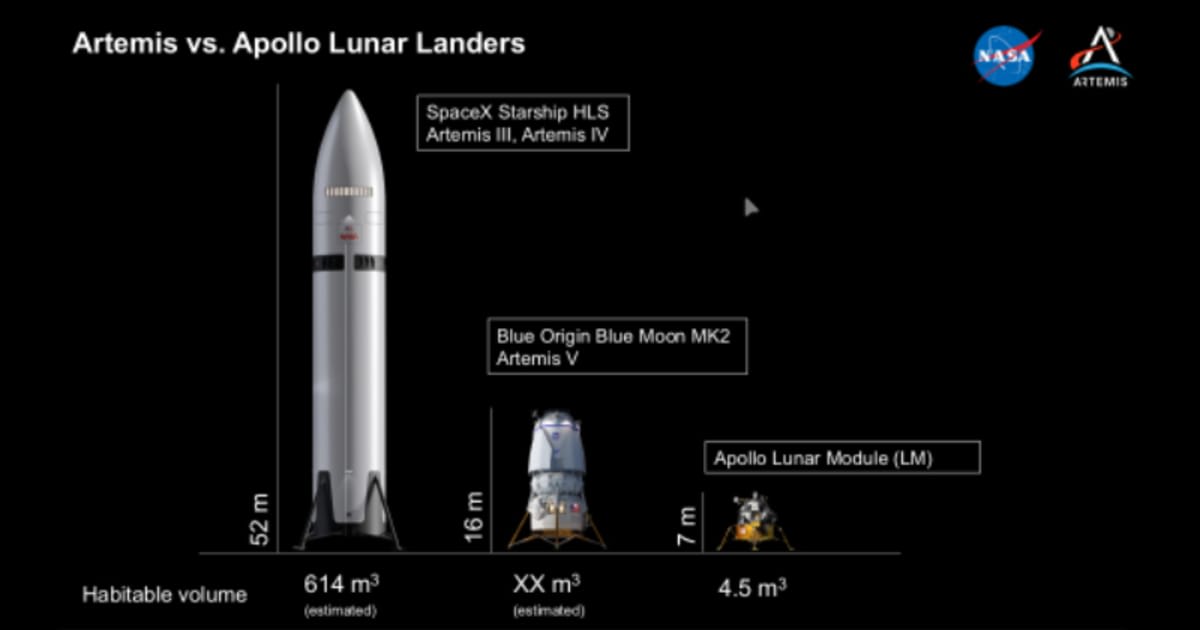
Regarding current and upcoming lunar missions, the report expresses confidence in the readiness of Artemis II despite delays. However, it has been decided that Artemis III will no longer be a crewed lunar landing mission. Instead, it will serve as an Earth-orbit test due to the higher risk and complexity involved. The system architecture, including landers and commercial elements, requires more coordination, prompting the panel to recommend re-evaluating mission objectives. A successful crewed lunar landing is now planned for Artemis IV, scheduled for 2028.
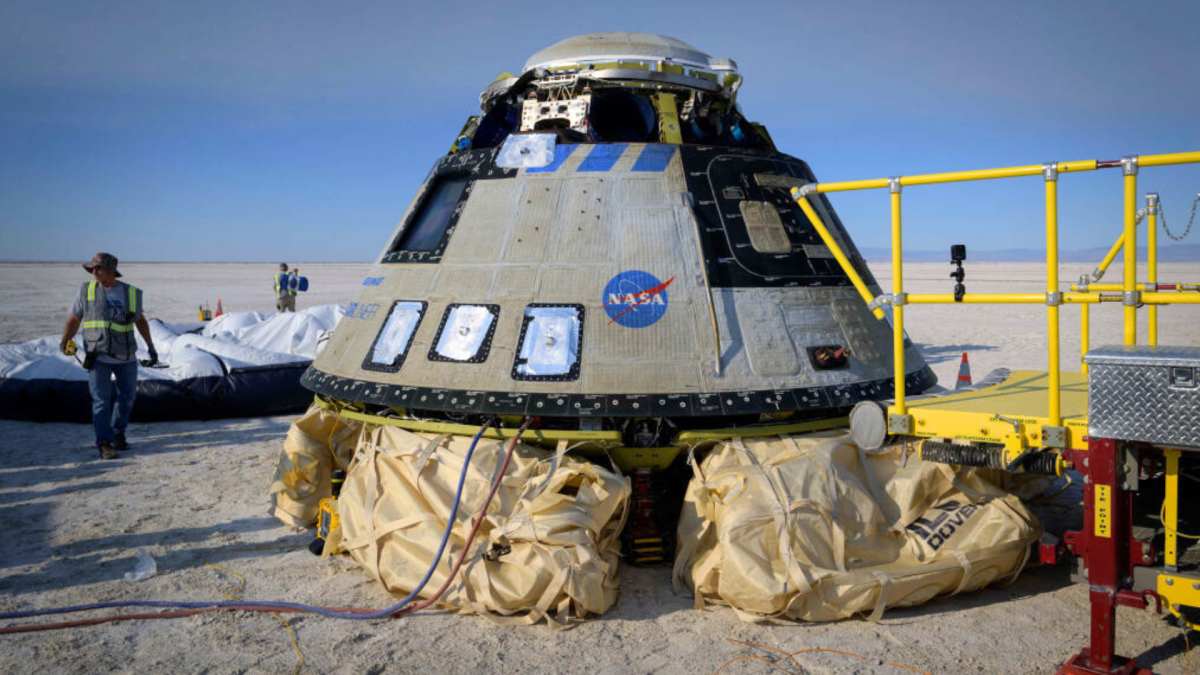
The ASAP report also addresses lessons learned from the 2024 Boeing Starliner Crewed Flight Test. NASA classified this incident as a Type A mishap, its most severe failure category. Earlier this month, Isaacman criticized the decision-making and leadership of both NASA and Boeing, stating that these issues were more concerning than technical failures. The panel recommends quickly reporting any mishaps or near-misses to enhance transparency and accountability. This would prevent delays and inaccuracies in problem reporting, leading to more effective corrective actions.

Another focus of the report is NASA’s workforce planning, especially in light of its growing reliance on commercial partners. The agency needs to maintain strong internal expertise and technical authority. The report suggests that converting some contractor roles into civil servant positions can help achieve this goal. Additionally, NASA must carefully coordinate its transition from ISS deorbit to commercial low Earth orbit platforms.

The ASAP report also highlights the first flight of the X-59 Low-Boom Demonstrator, which Isaacman has encouraged accelerating. The panel praised stronger oversight through the Moon to Mars Program Office, the continued safe operations of the ISS, and advancements in astronaut health research. For NASA to remain the world’s leading space agency, its strategies, governance, and oversight systems must keep pace with the rapid development of its programs.
More on
Trump's 2026 budget reimagines NASA's Artemis, hands moon missions to private sector
NASA planning to build a 100 kilowatt nuclear reactor on the moon by 2030
