Drones to Patrol Skies as Minister Pledges Investment
Ireland’s Defence Minister Confirms Counter-Drone Technology Before EU Presidency
Ireland’s Defence Minister, Helen McEntee, has assured that counter-drone technology will be in place before the country assumes its presidency of the Council of the European Union. She expressed confidence in the implementation plan, stating that the necessary measures are being taken to ensure the technology is ready on time.
McEntee emphasized that the focus is not only on securing the skies but also on protecting the seas with advanced drone counter-drone technology. She highlighted the importance of this initiative, noting that the Defence Forces are working closely with An Garda Síochána to ensure all operational needs are met and that the technology will be available as required.
Criticism Over Delays in Implementation
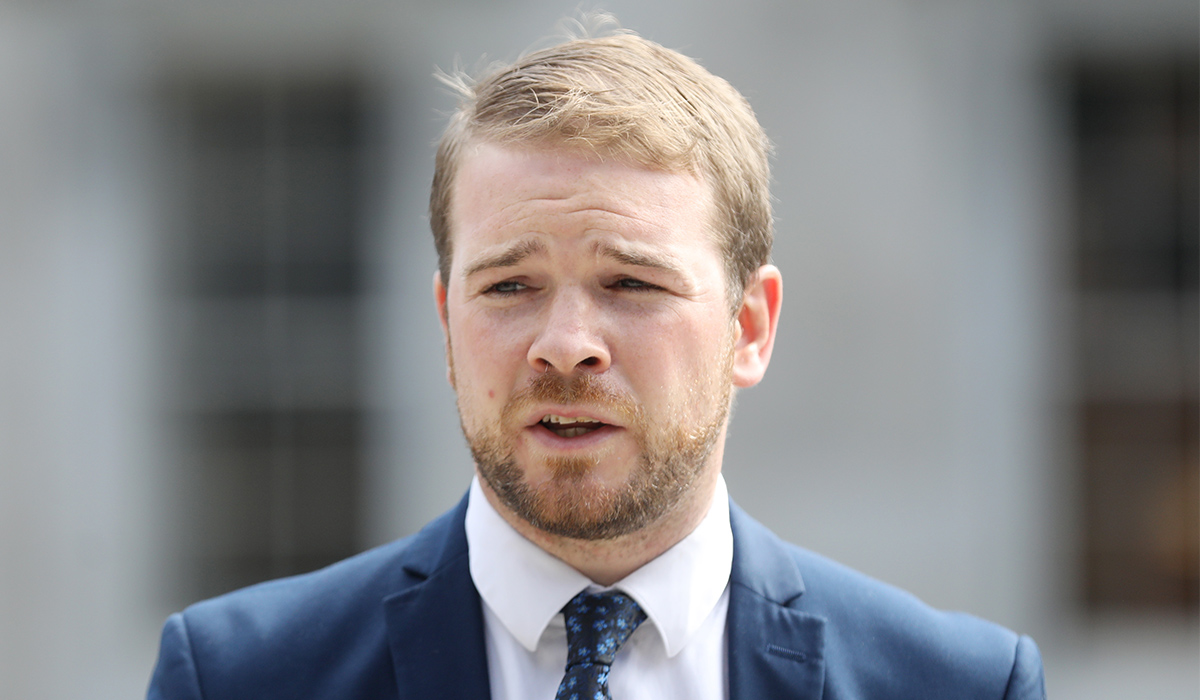
Despite these assurances, Sinn Féin’s defence spokesman, Donnchadh Ó Laoghaire, raised concerns about the timelines for the new implementation plan. He pointed out that the Counter Unmanned Aerial Systems (C-UAS) – or anti-drone technology – was initially expected to be in place last year, but its completion has been delayed until September this year. This date falls after Ireland’s EU presidency begins in July.
When asked if the timeline was sufficient, McEntee responded by highlighting the funding and support provided to ensure the technology would be in place. She acknowledged the challenges involved in implementing such a complex system but stressed the commitment to meeting the deadline.

She also mentioned that a new maritime security strategy will be published soon, further strengthening Ireland’s defense capabilities. However, the criticism over delays in other projects, such as the delivery of additional medium-lift helicopters, remains a point of contention. These helicopters were originally expected to arrive earlier, but their delivery is now more likely to occur in 2028. Similarly, the military radar project continues with a deadline set for the same year.
Defending the Strategic Plan
Speaking to reporters in Galway, McEntee defended the overall implementation plan as “an extremely ambitious” approach. She explained that the strategic framework outlines several actions to be taken in the coming year. This includes the allocation of €1.7 billion in capital investment, which she announced before Christmas.
The minister emphasized that the funding prioritizes the development of new radar capabilities, aiming to bring the timelines forward so that the necessary technologies are in place as quickly as possible. However, she noted that the investment extends beyond just the radar system. It also includes improvements to airports, machinery, technology, and vehicles, as well as continued investment in the uniforms, equipment, and working environments of Defence Forces personnel.
Recognition of Heroism and New Facilities
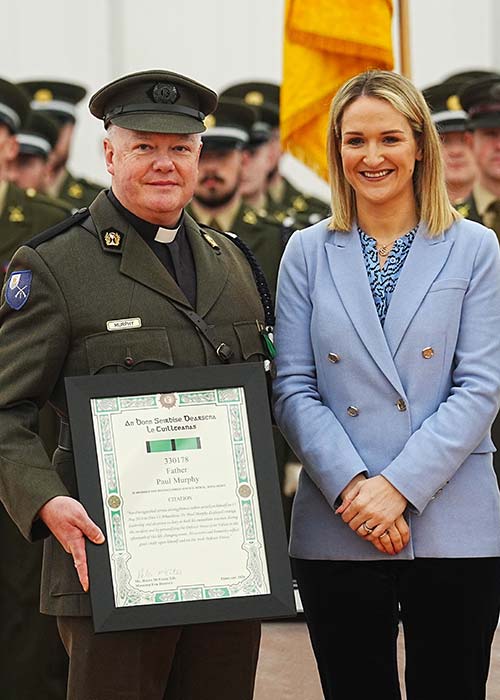
During her visit to Renmore Barracks, McEntee honored Fr Paul Murphy, who was stabbed during an attack at the complex in 2024, along with three others who responded to the incident. They were awarded distinguished service medals for their bravery.
In addition, the minister officially opened the new University Students’ Accommodation Complex at the barracks. This facility replaces the old unit, which was constructed in the early 1970s. The new complex will serve Defence Forces personnel attending local third-level educational institutes, such as the University of Galway and the Galway-Mayo Institute of Technology, as well as those participating in training events.
