Futuristic Flying EV Company's 80% Staff Cut Sparks Jobs Crisis in California
Hyundai has significantly reduced its workforce at Supernal, a futuristic flying electric vehicle (EV) company based in California, by 80%. This move marks another setback for businesses operating in the Golden State.
Supernal, known for developing vertical take-off prototypes, recently announced that it is cutting 296 jobs across its facilities in Orange County and Fremont, as well as a test site in Mojave. The $1.7 billion startup, which moved from Washington DC to California three years ago, stated that it will consolidate its operations to its headquarters in Irvine.
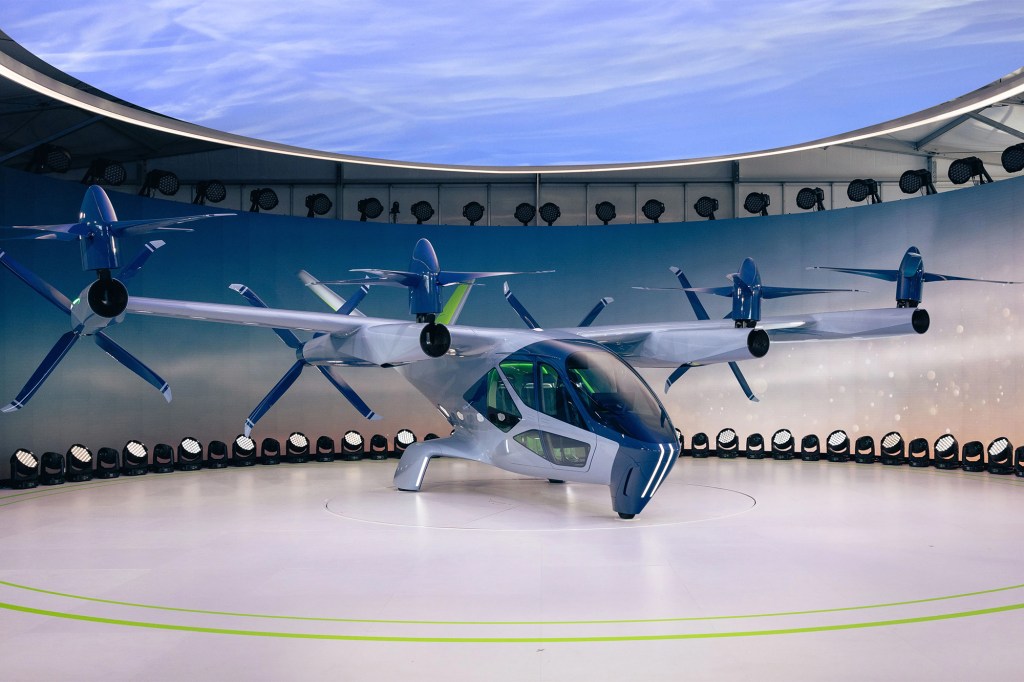
The company's decision was described as a strategic pivot aimed at optimizing staffing and cost structures for long-term success. A spokesperson for Supernal told the Orange County Register: “This decision is a strategic pivot to ensure our staffing and cost structures are optimized for the long-term delivery of our market-aligned aircraft design.”
Hyundai Motor Group remains committed to the Advanced Air Mobility (AAM) business as part of its future mobility vision, with Supernal continuing to serve as the group’s dedicated AAM execution arm for aircraft development. The focus, according to the company, is on stabilizing the business, shaping a new business model, and developing a commercially viable aircraft.
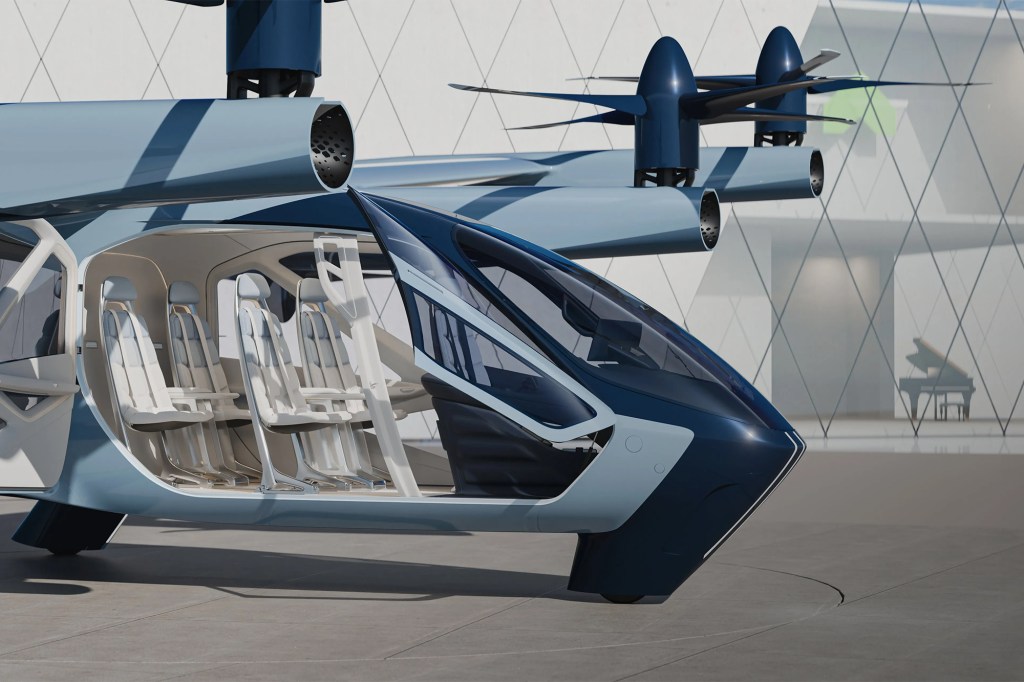
In September, Hyundai reshuffled the leadership structure at Supernal and has been facing challenges with test flights for autonomous EVs in Mojave. Following a 10% workforce reduction last summer, approximately 80 employees remain.
This latest development comes amid broader trends of companies scaling back operations in California due to high taxes and other economic pressures. Last week, reports indicated that a major wine manufacturer, Gallo, is closing a large production facility in Napa Valley, resulting in nearly 100 job losses.
The situation reflects a growing concern among businesses about the viability of operating in California. While the state continues to attract innovation and investment, rising costs and regulatory challenges have prompted some companies to reconsider their presence. Supernal’s restructuring highlights the difficulties faced by startups in the advanced mobility sector, particularly those working on cutting-edge technologies like flying vehicles.
Despite these challenges, Hyundai and Supernal remain focused on their long-term goals. The company is working to refine its business model and bring its aircraft to market. With continued investment and strategic planning, there is hope that Supernal can overcome its current obstacles and position itself as a leader in the emerging AAM industry.
For now, the story of Supernal serves as a reminder of the risks and rewards associated with pioneering new technologies. As the company navigates this period of change, its ability to adapt and innovate will be crucial to its future success.
