Jack Dorsey's Bold Bet: An AI-Driven Future with Fewer Workers
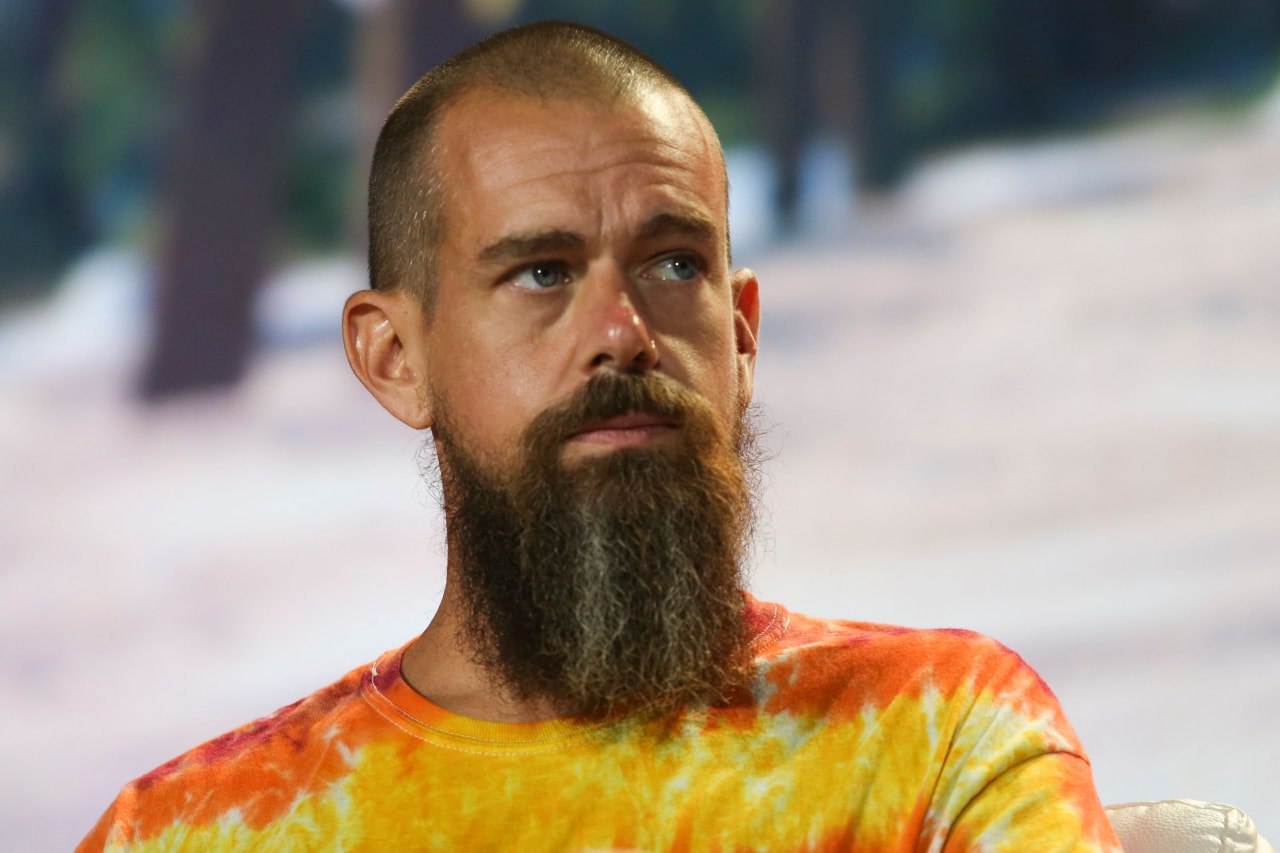
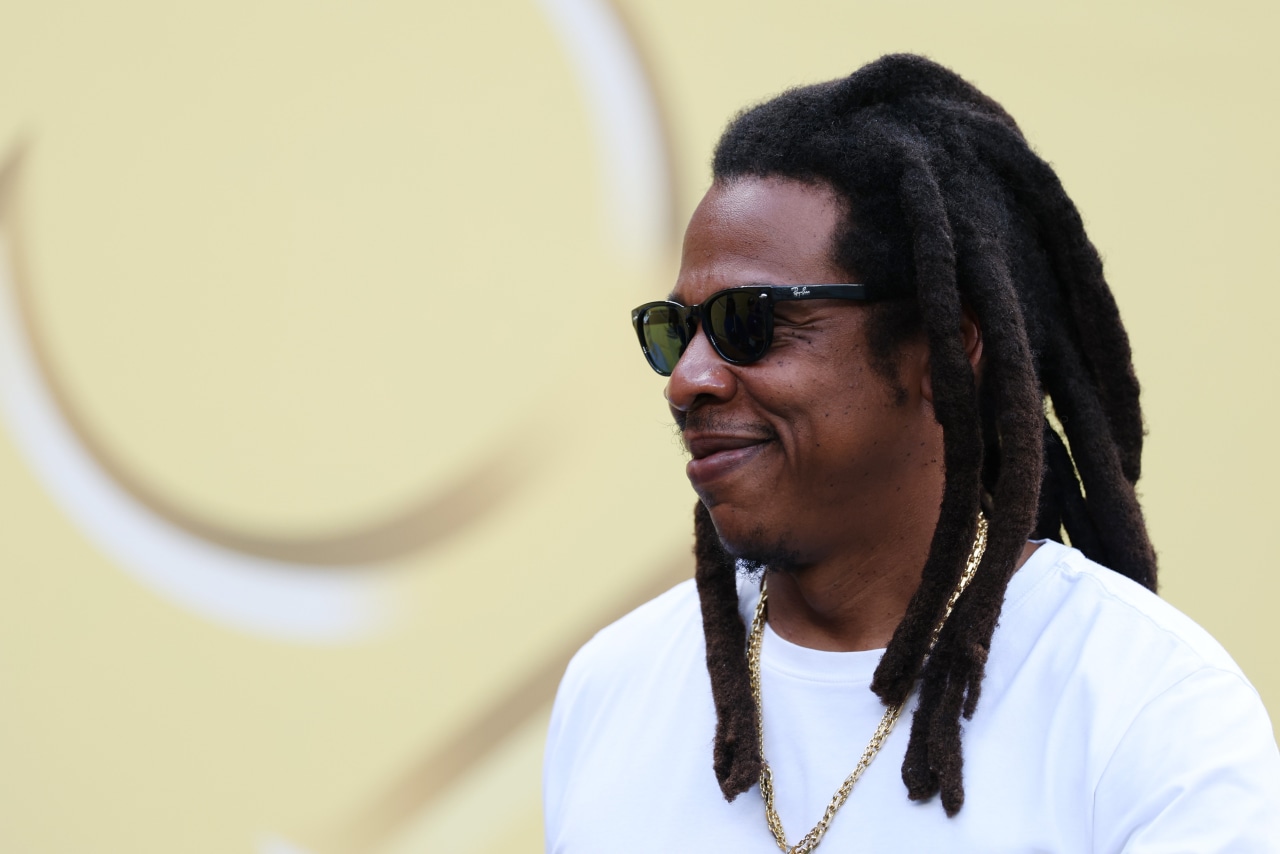
Block Inc., the payments company founded by Jack Dorsey, recently hosted a lavish celebration for its 16th anniversary. The event brought together 8,000 employees from around the world to California for a three-day festival at the Oakland Coliseum and Arena. The atmosphere was more akin to a music festival than a corporate gathering, featuring a nighttime DJ set by Anderson .Paak. Among the highlights was a conversation between Dorsey and hip-hop superstar Jay-Z, who is also a board member of Block.
The event cost the company over $60 million, but just six months later, Dorsey announced plans to cut 40% of the workforce, which translates to over 4,000 employees. He cited the rapid advancement of artificial-intelligence models as the primary reason, sparking concerns that AI could soon replace white-collar jobs and disrupt the economy. However, some analysts believe the layoffs are more about reducing costs than embracing AI.
Dorsey’s announcement came shortly after a report predicting a future dominated by AI caused a market downturn. “Within the next year, I believe the majority of companies will reach the same conclusion and make similar structural changes,” he said during a call with analysts, as Block’s stock rose.
Despite these claims, not everyone is convinced. Some Wall Street analysts argue that Dorsey is using AI as a cover for cutting costs in a company that has become overly staffed. Block, which started as a card-payment system, has expanded into buy-now, pay-later loans, Jay-Z’s music-streaming platform, and bitcoin investments. While its core businesses have improved profitability, some ventures have weighed on its balance sheet, with net income in 2025 down by more than half from the previous year.
Dan Dolev of Mizuho Americas suggested that the cuts were likely due to excessive staffing rather than AI. “This isn’t an AI story. It’s a workforce correction wearing an AI costume,” wrote Jason Karsh, a former Block employee, on X.
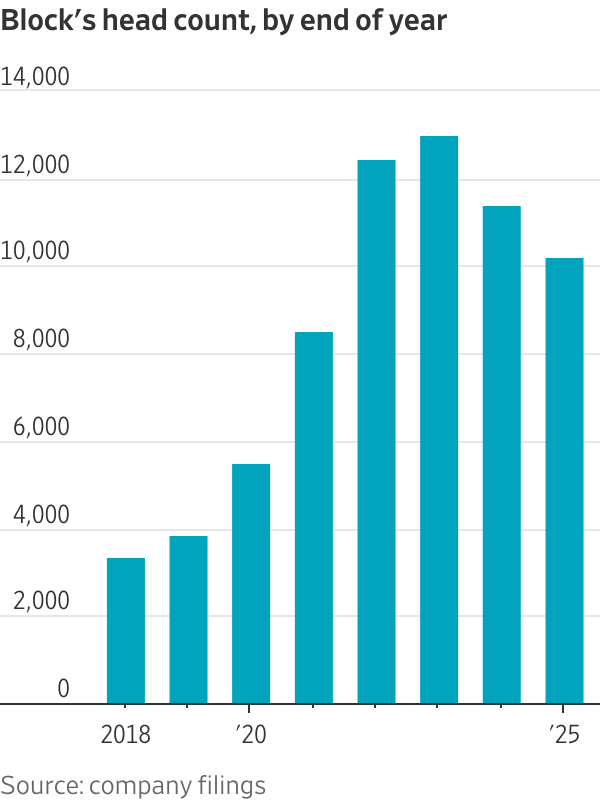
Inside Block, employees had already experienced layoffs, but not on this scale. During the pandemic, the company went on a hiring spree, and Dorsey, known for his hands-off leadership style, became even more absent. His absence led to conflicts among his lieutenants, resulting in duplicated roles and resources. By the end of 2023, the company had grown from around 4,000 employees in 2019 to nearly 13,000.
A series of missteps, including a global outage at Square, prompted Dorsey to take a more active role. He announced significant layoffs in late 2023 and again in early 2025. When he announced the 40% reduction last week, Block still had around 10,000 employees.
Dorsey has maintained that the latest cuts were not primarily motivated by cost savings. He acknowledged in a post on X that he had “incorrectly” built two separate business structures but noted that Block’s hiring reflected the increased complexity of its operations.
Juggling Roles
Block is Dorsey’s second stint atop a tech company. As a young programmer with dreadlocks and a nose ring, he was one of Twitter’s co-founders and served as its CEO until 2008, when he was pushed out amid concerns he was distracted by his hobbies. In interviews, Dorsey has said he was ousted because he “deferred too much” to other executives.
In 2009, he co-founded Square, the company that would eventually become Block. The idea came about after another co-founder, Jim McKelvey, couldn’t sell his sculptural glass faucets because he couldn’t accept credit cards. To solve the problem, they created a square-shaped device that could plug into a smartphone’s headphone jack and read credit cards. The company gave away the hardware and software for free, and the system took off, particularly among small businesses.
When employees came up with the idea for Cash App in late 2012, executives wanted to kill the project because it felt too similar to PayPal’s Venmo. Dorsey kept it alive because he trusted the team leading it.
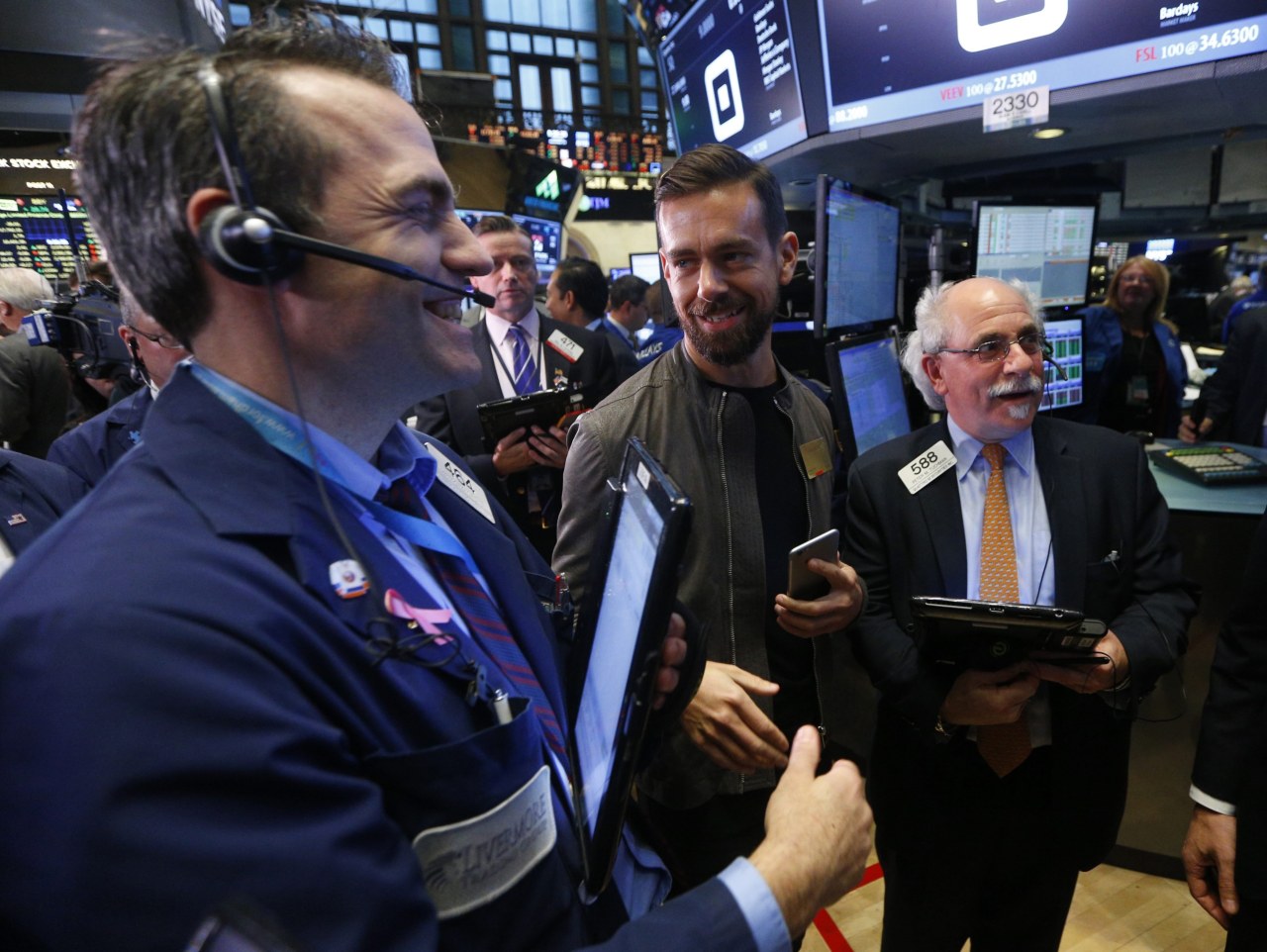
In 2015, Square prepared to go public. That same year, Dorsey took back the job as CEO of Twitter, which was based a block away. He juggled roles at both companies and started delegating more work at Square to his deputies.
Dorsey’s personal life also started getting more attention. One year, he recounted a 10-day silent meditation retreat he went on in Myanmar for his birthday. In 2019, his diet made headlines when he said on a podcast that he ate only one meal a day to improve his focus. Later in the year, he spent nearly a month in Africa meeting with crypto entrepreneurs and declared his intention to move to the continent for a few months.
The Covid-19 pandemic brought those plans to a halt. Still, investors grew more concerned with his dual roles. Elliott Investment Management, an activist hedge-fund firm, launched a campaign in early 2020 to oust Dorsey as CEO of Twitter.
The pandemic crumbled Square’s revenue as small businesses suffered. But Cash App exploded as users deposited their stimulus checks and unemployment benefits into their accounts. The app makes money in a variety of ways, including on instant transfers to bank accounts and short-term loans.
Square’s stock shot up. Dorsey and other executives started hunting for acquisitions. In March 2021, the company said it was buying an 86% stake in Tidal, a music-streaming service started by Jay-Z that was operating at a loss at the time. A pension-fund shareholder sued, alleging the company had breached its fiduciary duty. A judge dismissed the lawsuit but called the deal “a terrible business decision.”
In August 2021, the company announced a $29 billion all-stock deal for Afterpay, a buy-now, pay-later firm. A few months later, the parent company was rebranded as Block.
Dorsey Steps In
Dorsey left Twitter’s leadership shortly before it was acquired in 2022 by billionaire Elon Musk. Soon after the takeover, Musk slashed thousands of Twitter’s workers. The service was renamed X, and it had about 1,500 employees in 2023, down from around 8,000.
Dorsey stepped back in as Square’s full-time CEO after a global service outage in September 2023 left business owners unable to access their accounts for two days. Previously, Dorsey had given himself the title of “Block Head.” Rolling layoffs began soon after.
Dorsey doubled down on his interest in bitcoin and announced Bitkey, a hardware bitcoin wallet device. A unit to make chips and machines for bitcoin mining soon followed.
Today, both of Block’s major business units are facing pressure. Square is competing with payment platforms including Shopify and Toast, while Cash App competes with players including Apple’s wallet and PayPal’s Venmo.
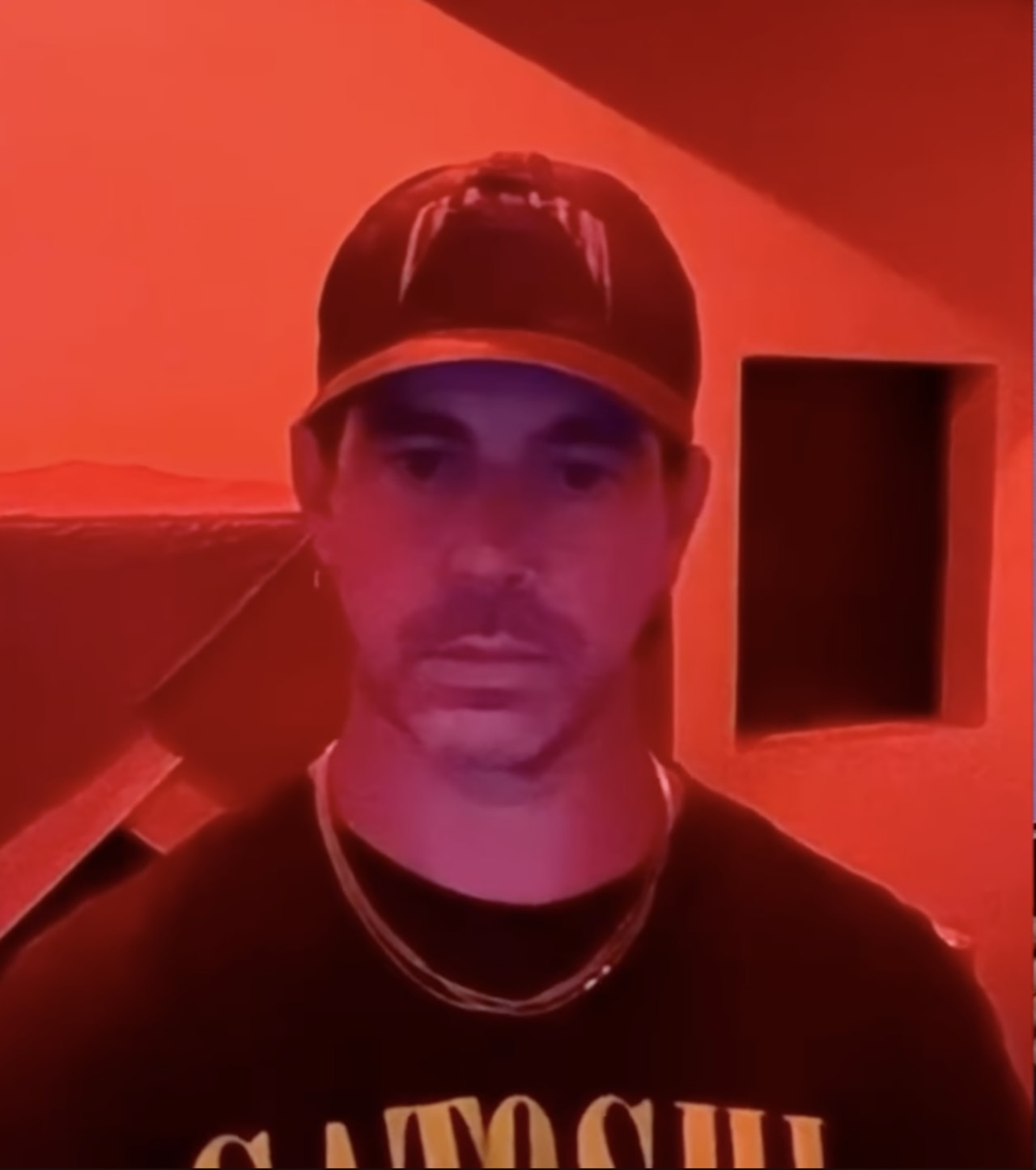
Dorsey’s personal peculiarities also continue to draw attention. At a tech summit in November, Dorsey videoconferenced onto the stage, bathed in red light, during a chat with the co-founder of an AI voice generator. “It’s sunset here, and I only have red lights in my house,” he said.
In the past year, Dorsey has pushed his employees to use generative AI tools, according to people familiar with the matter. Employees are also expected to send Dorsey weekly updates, which he then summarizes with AI into general highlights and themes, the people said.
The depth of the layoffs announced last week were shocking to many employees. Others found solace in getting closure.
“For the past six months, the vibe at Block has been heavy with anxiety, and layoffs have been the hottest topic,” wrote Cash App engineer Zane Wang in a LinkedIn post shortly after he was laid off. “Honestly, getting laid off feels more like a relief.”
That afternoon, Dorsey hosted a companywide call addressing the move. On the call, he wore a hat with a word imprinted on its front: Love.
