Meta Launches AI Shopping Tool to Compete with ChatGPT and Gemini
Meta Introduces Shopping Research Feature in AI Chatbot
Meta Platforms Inc. is currently testing a new shopping research feature within its artificial intelligence chatbot, aiming to compete with similar tools offered by OpenAI’s ChatGPT and Google’s Gemini. This feature allows users to request product suggestions directly through the chatbot, which then provides a carousel of product images along with captions that include details about the brand, website, and price. Additionally, the chatbot offers a brief explanation of its recommendations in bullet-point form.
The feature is being rolled out to some US-based users of the Meta AI web browser. A Meta spokesperson confirmed the testing of the shopping tool but did not provide further details. The company has been focusing on building what CEO Mark Zuckerberg calls “personal superintelligence,” aiming to offer a uniquely personal experience based on users' history, interests, content, and relationships.
During an earnings call in January, Zuckerberg mentioned that Meta will start shipping new products in the coming months that can demonstrate its ability to deliver personalized experiences. This aligns with the company's broader strategy to incorporate e-commerce features into its AI tools, allowing it to generate revenue from these services.
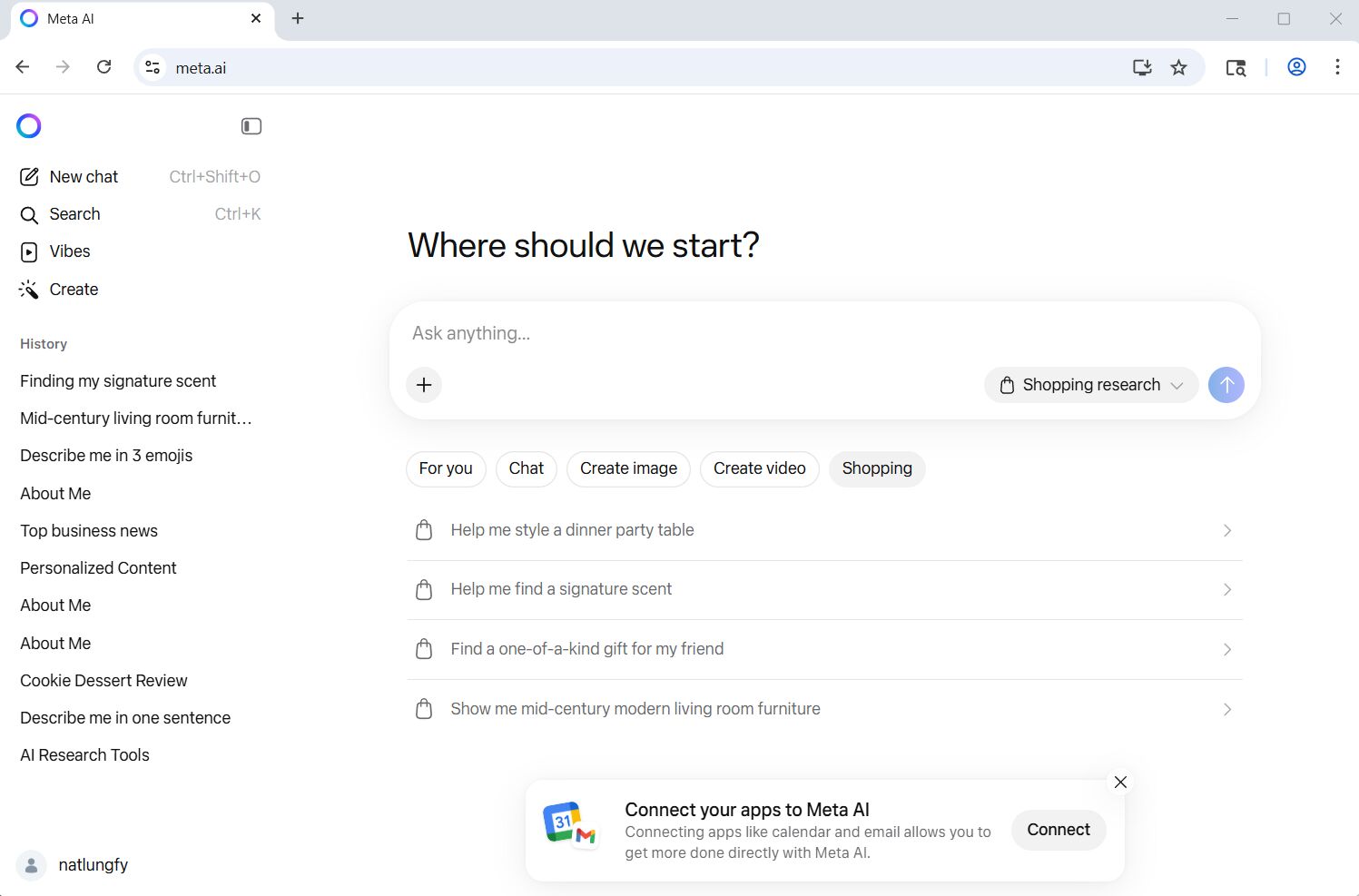
When applicable, the chatbot’s recommendations are tailored to what Meta already knows about the user’s location and the gender it infers from their name. For example, when asked to find puffer jackets, Meta AI’s response referenced the author’s location in New York and offered options for women’s puffers. However, there is no checkout or payment option within the chatbot itself. Instead, users can click on the provided merchant links for further browsing.
The spokesperson did not respond to questions about whether Meta receives referral commissions for its chatbot’s recommendations or whether Meta AI prioritizes brands that already advertise on its social media platforms like Facebook or Instagram.
Zuckerberg’s comments during the January call may offer some clues. He stated that while the company’s ads currently help businesses target specific people interested in their products, the company’s “new agentic shopping tools will allow people to find just the right, very specific set of products from the businesses in our catalog.” This suggests that Meta is exploring ways to integrate its advertising and shopping capabilities more seamlessly.
Key Features of the Shopping Research Tool
- Product Suggestions: Users can request product recommendations directly through the chatbot.
- Carousel Display: The chatbot presents a carousel of product images with captions containing brand, website, and price information.
- Bullet-Point Explanations: The chatbot provides a brief explanation of its recommendations in bullet-point form.
- Personalized Recommendations: The recommendations are tailored based on the user’s location and inferred gender.
- Merchant Links: Users can click on provided links to browse further on the merchant’s website.
Future Implications
As Meta continues to develop its AI capabilities, the integration of e-commerce features into its chatbot could significantly impact how users interact with online shopping. By leveraging user data and personalization, Meta aims to create a more seamless and targeted shopping experience. This move also positions Meta to compete more effectively with other major players in the AI and e-commerce space, such as OpenAI and Google.
With ongoing developments and potential future updates, the shopping research feature could become a key component of Meta’s strategy to enhance user engagement and drive revenue through its AI tools. As the company moves forward, it will be interesting to see how these features evolve and how they are received by users.
