Portland Police to Deploy Drone for Enhanced Operations
Introduction to the Portland Police Department's Drone Initiative
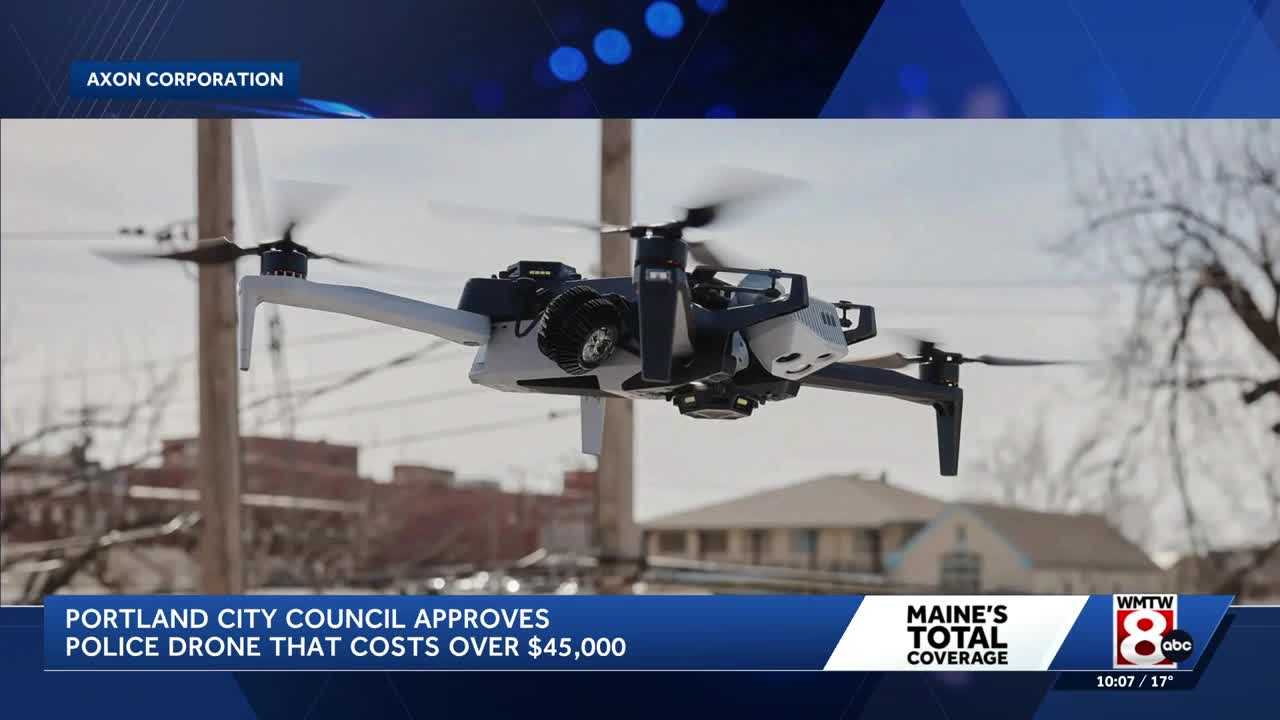
The Portland Police Department is set to acquire its own drone, marking a significant step in the city's efforts to modernize law enforcement. This decision came after a recent vote by the Portland City Council, which approved over $45,000 for the purchase of the device. The move has sparked discussions about the potential uses of the drone and concerns about privacy among residents.
Purpose of the Drone
According to the police department, the new drone will serve multiple purposes. One of the primary functions is to assist in search and rescue operations, which can be critical during emergencies or natural disasters. Additionally, the drone will be used to recreate crash scenes, providing valuable data that can help in accident investigations. These capabilities are expected to enhance the efficiency and effectiveness of the department's response to various incidents.
Public Concerns and Privacy Issues
Despite the potential benefits, some residents have expressed concerns about the implications of having a drone in the hands of the police department. Al Cleveland, a local resident, voiced his worries about the risk of surveillance and the potential misuse of data. "All of us are at risk for our data, our surveillance, to be used by federal agents, and we have no control over that," he said. This sentiment reflects a broader concern about the balance between public safety and individual privacy.
The Role of Axon and Data Security
The drone in question is manufactured by Axon, a company that is currently under contract with the Department of Homeland Security. This connection has raised additional questions about the security of the data collected by the drone. Councilor April Fournier highlighted these concerns, stating, "If it's uploaded to cloud technology, how can we guarantee that that information isn't pulled or used in other ways."
However, Portland Police Chief Mark Dubois emphasized that the department does not collaborate with US Immigration and Customs Enforcement. He assured the public that "the data is controlled by Portland PD or the City of Portland." According to Dubois, the data is stored securely in the cloud, and it is not sold or transferred to any third parties.
Restrictions on Surveillance
In an effort to address public concerns, the city council included a specific provision in its vote. The drone cannot be used to conduct surveillance of citizens exercising their right to free speech and assembly. This restriction aims to ensure that the use of the drone aligns with constitutional protections and respects the rights of individuals.
Previous Rejections and Public Input
The approval of the drone was not the first time the city council had considered this initiative. In November, the council had previously rejected the proposal after hearing numerous comments from the public. These discussions highlighted the need for transparency and accountability in the deployment of such technology.
Current Status and Future Steps
Following the recent vote, the Portland Police Department has stated that it will not comment on the drone until a final decision is made. Maine's Total Coverage reached out for further information after the vote, but as of now, they have not received a response.
Conclusion
The acquisition of a drone by the Portland Police Department represents a shift in how law enforcement approaches certain tasks. While the technology offers potential benefits in terms of efficiency and safety, it also raises important questions about privacy, data security, and the ethical use of surveillance tools. As the department moves forward, it will be crucial to maintain open communication with the community and ensure that the use of the drone adheres to the highest standards of accountability and transparency.
