Singapore Considers Regulating Blind Boxes to Prevent Gambling Risks
Understanding the Concept of Blind Boxes
Blind boxes have become a significant trend in the retail industry, especially in the realm of toys and collectibles. These products are sold in sealed packages without revealing their contents until after the purchase is made. This unique selling strategy has captured the attention of many consumers, particularly those who enjoy the thrill of uncertainty and the potential for obtaining rare or high-value items.
However, the popularity of blind boxes has also sparked concerns among consumer advocates and policymakers. Many argue that this marketing approach resembles gambling, especially when buyers pay for a chance to receive more valuable or rare items. The element of randomness in the content of these boxes raises questions about whether they should be regulated similarly to gambling activities.
Regulatory Considerations in Singapore
In response to these concerns, Singapore has taken a proactive stance by planning to regulate the sale of blind box products. Home Affairs Minister K. Shanmugam addressed this issue during a parliamentary session, stating that the city-state is considering legislation that would require blind boxes to disclose the probability of receiving certain items. This move aims to provide transparency and ensure that consumers are fully informed about the chances of obtaining specific products.
Shanmugam emphasized that the regulations are currently being drafted, and the suggestions from fellow MPs regarding mandatory and standardized odds and probability disclosure will be considered. This indicates a commitment to creating a fair and transparent marketplace for consumers.
Popularity and Impact of Blind Boxes
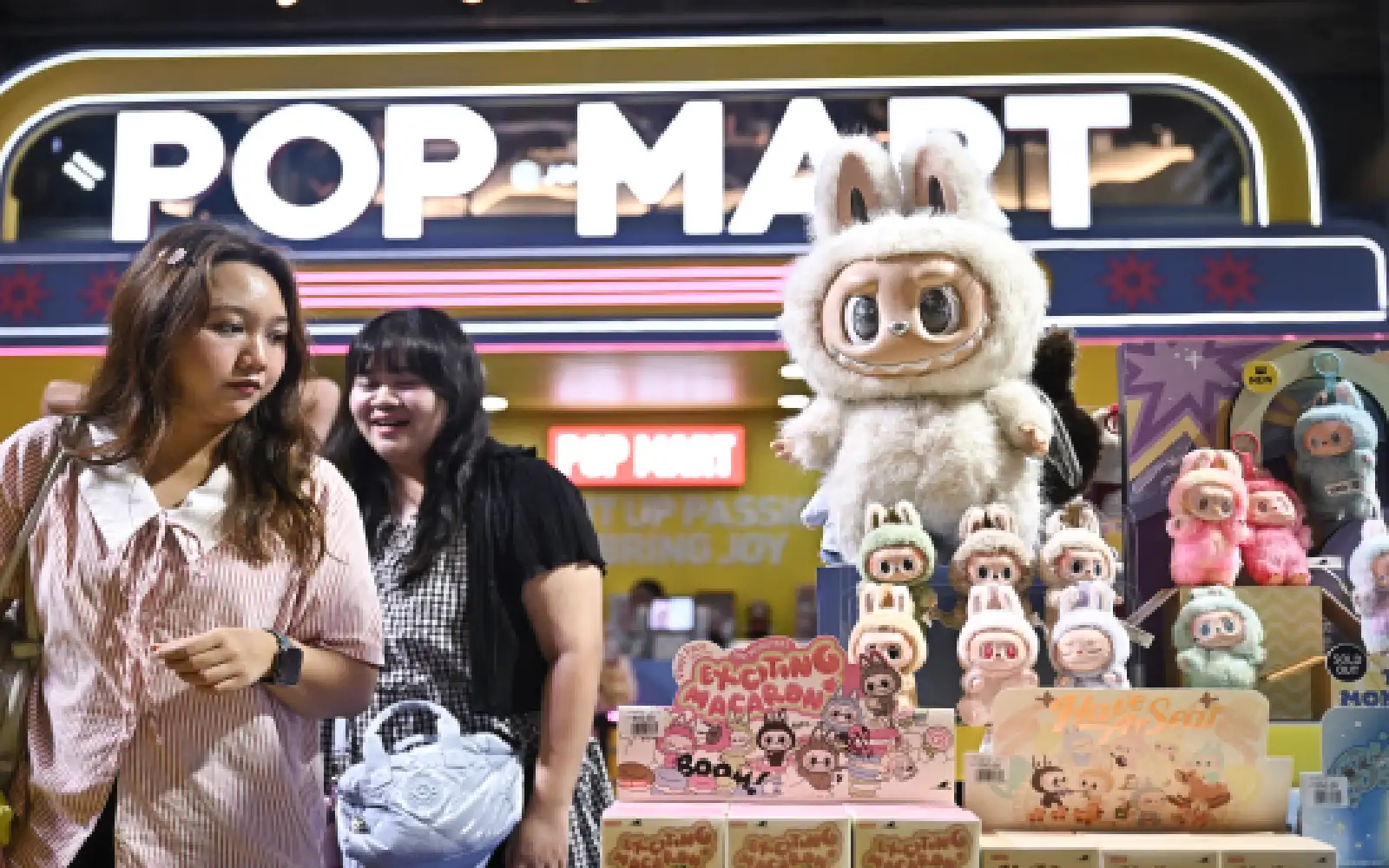
Blind boxes have gained immense popularity in both physical toy stores and online marketplaces. Companies like China’s Pop Mart have successfully leveraged this concept, with six outlets in Singapore according to their website. The appeal of these products lies in their ability to create excitement and anticipation among buyers, encouraging them to purchase multiple boxes in hopes of acquiring rare items.
In addition to physical products, digital variants known as "gacha" mechanics have also become prevalent in online games and mobile apps. These mechanics involve randomised rewards, further blurring the line between shopping and gambling. While some users enjoy the element of surprise and the challenge of collecting rare items, others view it as a predatory practice that exploits consumer behavior.
Concerns for Minors
One of the most pressing concerns surrounding blind boxes is their impact on minors. Given the addictive nature of the concept, there is a growing fear that children may be particularly vulnerable to the marketing strategies employed by companies. This has led to calls for stricter regulations to protect young consumers from potential harm.
Despite these concerns, the demand for blind boxes remains strong, with many fans appreciating the excitement and variety they offer. However, as the debate continues, it is crucial for regulators to balance consumer interests with the need for protection against potentially harmful practices.
Conclusion
As Singapore moves forward with its regulatory efforts, it is essential to consider the broader implications of blind boxes on consumer behavior and public welfare. By implementing clear guidelines and ensuring transparency, the government can help create a safer environment for all consumers while still allowing the market to thrive. The ongoing dialogue between regulators, industry players, and consumers will play a vital role in shaping the future of this popular but controversial product category.
