Social Media Giants Earn £4bn Annually from Scam Ads
The Hidden Profit from Scam Adverts on Social Media
Social media platforms may be inadvertently encouraging the spread of scam adverts due to the significant revenue they generate from these fraudulent advertisements. Research indicates that these platforms are earning billions of pounds each year from ads targeting European users, raising concerns about their role in enabling online fraud.
According to data from Juniper Research, which was shared by fintech platform Revolut, social media platforms collectively generate £3.8 billion annually in revenue from fraudulent adverts. This figure highlights a growing problem, with approximately 10% of all social media advertising revenue in Europe coming from scams in the past year. Scammers frequently use social media to target victims, often through deceptive advertisements hosted on these platforms.
How Scammers Exploit Social Media
Scammers typically promote false products, platforms, or investment opportunities by impersonating legitimate organizations or well-known figures using deepfake technology. These tactics have been widely reported by This is Money as part of its ongoing campaign against scams facilitated through social media platforms.
The Advertising Standards Authority has found that 64% of people are already concerned about scam advertising. However, the body received only 2,589 reports of scams in 2025, indicating a significant underreporting issue. Despite this, the problem is widespread and continues to grow.
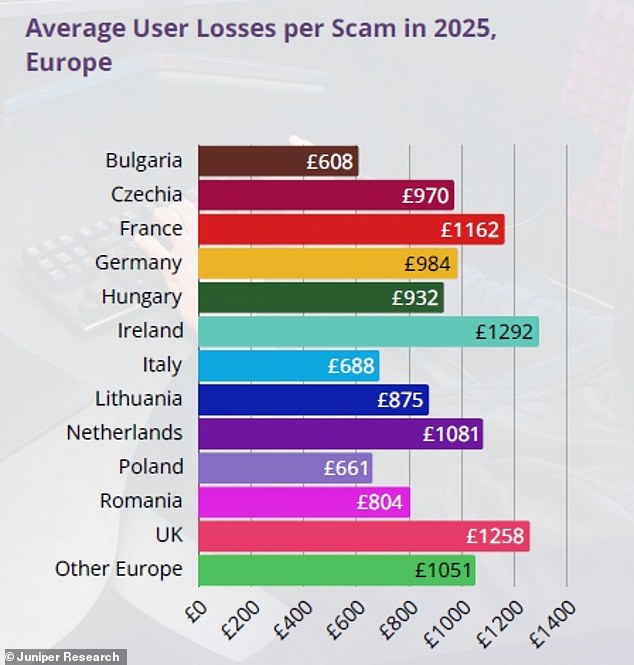
In the UK, scam adverts generated £430.4 million in revenue for social media platforms last year, according to Juniper Research. This represents 9.3% of the total European revenue from scam adverts, with France and Germany also showing similar figures. However, the UK typically experiences higher losses per scam, second only to Ireland, with an average loss of £1,258 per scam in 2025.
The Financial Incentive for Platforms
Revolut argues that the financial benefit platforms gain from scammers targeting their users means they are effectively incentivized to host scam adverts. As a result, the average user sees 190 scam adverts per month, leading to one trillion views in total across 2025. This number is expected to rise to 250 per month by 2030 based on current trends.
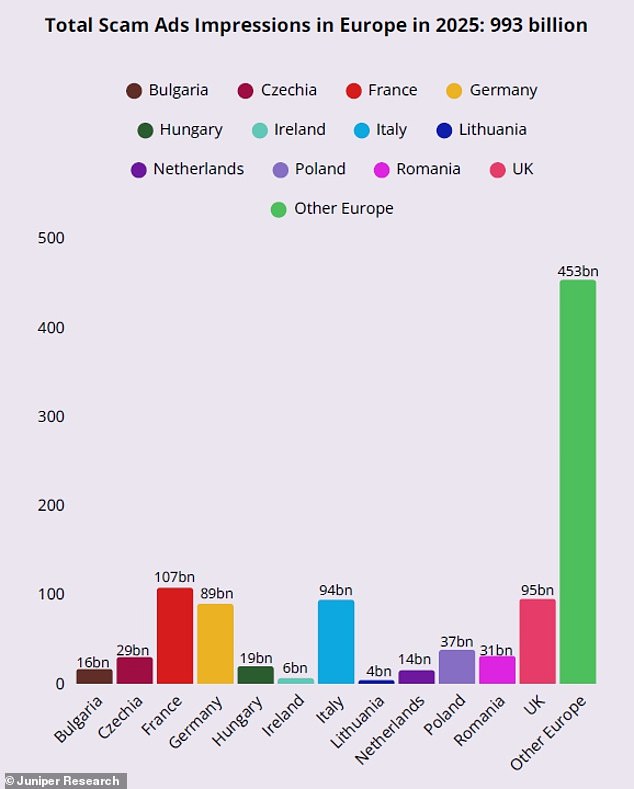
The UK saw the second-highest number of scam advert views in Europe, with 95 billion views in 2025, behind France’s 107 billion. This suggests that earnings from hosting scam adverts could reach £8.9 billion by 2030, with total impressions reaching 1.4 trillion in Europe.
Calls for Stricter Regulation
At Revolut's Fincrime summit, Lord Hanson, the minister for fraud, emphasized the need for basic minimum standards of performance by tech companies. He stated, "We need to ensure internationally that we really put some heat into that system and make sure we put some international challenges in to bring tech companies into line to reduce that level of fraud."
In response to the growing threat of fraudulent adverts, the US Senate recently introduced new legislation aimed at cracking down on these scams. The proposed law requires platforms to take 'reasonable steps' to prevent such advertisements from being shown to users.
While the UK's Online Safety Act passed in 2023 legally obliges platforms to remove scam adverts, the regulator Ofcom has delayed the rollout of duties designed to combat fraudulent advertising until mid-2026. Its consultation on duties covering scam advertising will not occur until the summer, with a full code of practice expected by 2027.
Key Platforms Involved
Juniper Research identified the social media platforms included in its study as Facebook, Instagram, TikTok, Snapchat, X (formerly Twitter), and LinkedIn. These platforms continue to face scrutiny as the scale and impact of scam adverts grow.
