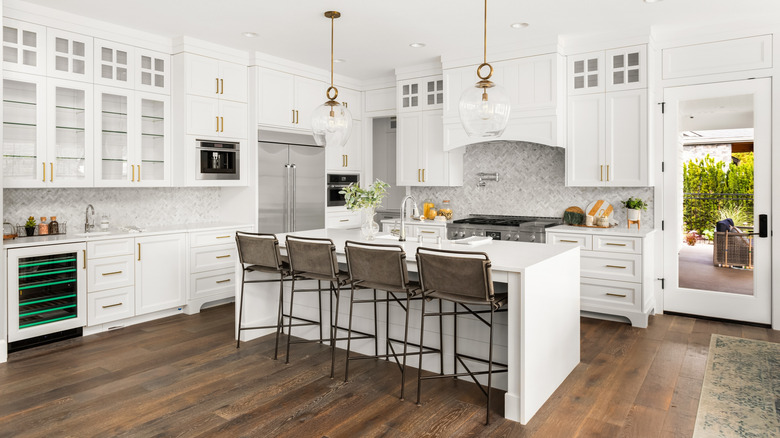
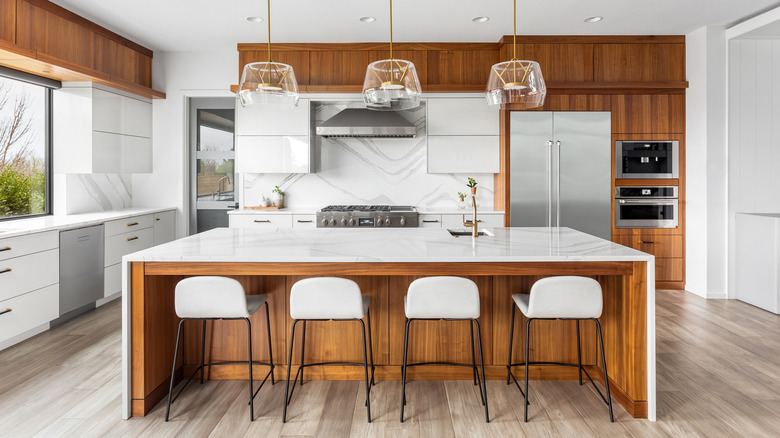
Some designers are ditching this kitchen island trend — but here's the twist
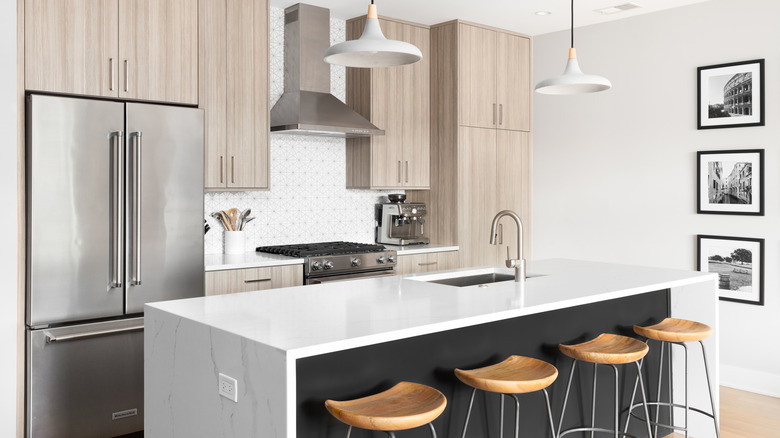
The Rise and Possible Decline of Waterfall Kitchen Islands
Waterfall kitchen islands have become a staple in modern home design, captivating homeowners with their sleek, seamless look. However, as with many trends, there's an ongoing debate about whether this design choice is here to stay or if it's on the decline. As an interior designer, I've seen both the brilliance and the pitfalls of this style, and my perspective is that it's a bit of both.
A Design Statement That's Becoming Overdone
One of my main concerns with waterfall kitchen islands is that they've evolved from a thoughtful design element into a generic "splurge" without much creativity. When showrooms start offering them in mass-produced Calacatta-look quartz, it's clear that the trend has reached the mainstream. This can lead to uninspired designs that feel like a safe bet but lack originality.
While the aesthetic of a waterfall edge is undeniably appealing, the overuse of common materials like quartz has made it somewhat mundane. I find myself questioning the value of these countertops, especially when the material isn't exceptional. The cost and effort required to fabricate a waterfall edge often don't justify the result if the stone isn't truly remarkable.
The Downside of Generic Materials
Another issue that can ruin the potential of a waterfall countertop is the use of low-quality materials. Not all manufactured slabs are worth the investment, and when used for a waterfall edge, they can end up looking cheap and unimpressive. It's not just about the material itself, but also how it's applied. Poor craftsmanship can turn what should be a stunning feature into a disappointing one.
Hiring an unskilled fabricator can be a costly mistake. The process of creating a waterfall edge requires precision and expertise, especially when dealing with heavily-veined stones. If the seams aren't properly matched or the edges aren't smooth, the entire design can suffer.
When Waterfall Countertops Work
Despite these challenges, I still believe that waterfall countertops can work beautifully when done right. The key is to choose a unique natural stone with striking veining. When the stone's organic patterns flow seamlessly around the island, it creates a stunning visual impact that's worth every penny.
Designers are also experimenting with new ways to incorporate waterfall edges into their designs. For example, some are combining different materials, such as natural wood and stone, to create a more dynamic look. Others are playing with the size and placement of the waterfall edge, using smaller versions or integrating them with other elements like kitchen tables.
A Unique Approach to Design
One of the most exciting variations is the one-sided waterfall peninsula. This approach allows for a more subtle and unexpected design that still captures the essence of the waterfall style. By rethinking the traditional interaction between the countertop, cabinets, and materials, designers can create something truly unique.
In summary, while the popularity of waterfall kitchen islands may be waning in some circles, they still have a place in modern design when executed with care and creativity. If you're considering this style for your home, focus on quality materials and skilled craftsmanship to ensure that your waterfall edge becomes a standout feature rather than a dated trend.
Key Considerations for Success
If you're thinking about incorporating a waterfall countertop into your kitchen, here are a few things to keep in mind:
- Choose a high-quality, unique material that complements your overall design
- Invest in a skilled fabricator who can handle the complexity of the job
- Consider creative configurations that break away from the standard design
- Be prepared for the additional costs associated with this type of countertop
By taking these factors into account, you can ensure that your waterfall countertop not only looks great but also adds value to your home.