AI Used to Manipulate Opinions and Influence Elections
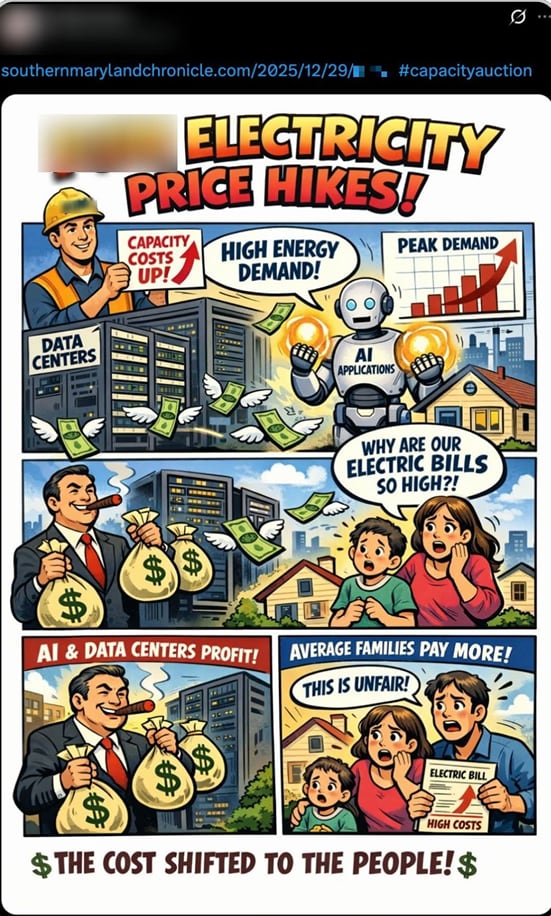
The Growing Role of AI in Manipulating Public Opinion
Artificial intelligence (AI) is increasingly being recognized as a powerful tool for shaping public opinion. While traditional methods of influencing public sentiment involved creating fake accounts and posting comments, the landscape has evolved significantly. Today, generative AI is used to mass-produce comments and images, making it easier and faster to spread narratives across different platforms.
Recent developments have raised concerns about the potential misuse of AI in manipulating public discourse. One notable case involves OpenAI, which recently blocked access to a group of ChatGPT accounts suspected to be of Chinese origin. According to OpenAI, these accounts were used to create political cartoons and post them on X, formerly known as Twitter. The content aimed to spread the narrative that "electricity prices are rising due to AI data centers." These posts featured phrases like "Electricity Price Hikes! (ELECTRICITY PRICE HIKES!)" and included links to related articles.
The individuals behind these accounts input prompts in simplified Chinese into ChatGPT, repeatedly requesting English and Chinese outputs that pretended to be from Americans with various backgrounds. They also uploaded documents detailing strategies to influence public opinion and methods to create X accounts while bypassing detection systems. OpenAI stated, "These actors are testing public opinion by targeting the infrastructure that underpins U.S. technological leadership and the AI ecosystem," adding, "The (Chinese) forces attempted to secretly intervene in debates about the future of U.S. AI capabilities while concealing their identity and motives."
AI's Impact on Elections
AI is not only being used in industry but is also found to be interfering in elections. Graphika, a U.S. social media analysis company, revealed last month that AI-based public opinion manipulation was attempted in elections worldwide this year. Ahead of the Bangladesh general election in February, a video featuring a fake military officer created using AI circulated, urging a boycott of a specific political party. In the Tibetan parliamentary election, pro-Chinese forces spread over 100 political cartoons in English and Tibetan that negatively portrayed a candidate.
Graphika stated, "As the cost of AI tools decreases, they will be exploited in more elections." This trend highlights the growing concern that AI can be used to influence democratic processes at a low cost and high speed. The ability to generate realistic content quickly makes it challenging to distinguish between genuine and manipulated information, leading to potential misinformation and erosion of trust in democratic institutions.
The Need for Vigilance and Regulation
With the increasing use of AI in manipulating public opinion, there is a pressing need for vigilance and regulation. Social media platforms must enhance their detection systems to identify and mitigate AI-generated content that spreads false narratives. Additionally, governments and regulatory bodies should collaborate to establish guidelines that ensure the ethical use of AI in public discourse.
Public awareness is also crucial in combating AI-driven manipulation. Educating users on how to recognize and report suspicious content can help reduce the spread of misinformation. As AI continues to evolve, so too must our strategies for ensuring transparency and accountability in its use.
Conclusion
The role of AI in shaping public opinion is a double-edged sword. While it offers innovative ways to engage with audiences, it also poses significant risks when misused. The cases highlighted above demonstrate the urgent need for a multi-faceted approach involving technology, regulation, and education to safeguard democratic processes and public discourse. As we move forward, it is essential to remain vigilant and proactive in addressing the challenges posed by AI in the realm of public opinion.
