Capcom's Disappointment Over Resident Evil Requiem's Poor DLSS 5 AI Demo
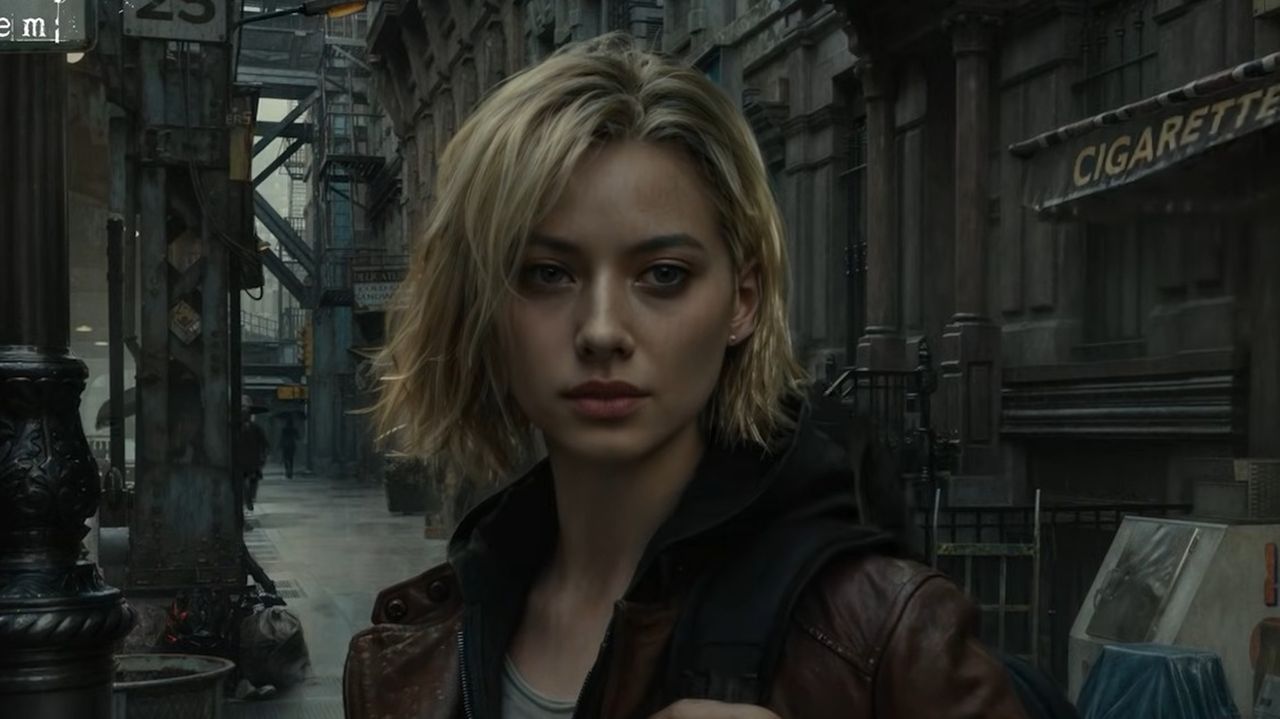
The Controversy Surrounding DLSS 5 and the Requiem Demo
When Nvidia introduced its AI-powered DLSS 5 technology earlier this year, one of the games showcased was Resident Evil Requiem. Alongside the announcement, there were yassified versions of characters like Leon and Grace, which were presented as a demonstration of next-generation graphics. However, many players who viewed the demo quickly noticed that these reimagined designs were a far cry from the original game's art direction. This led to widespread criticism, with many fans expressing their dissatisfaction.
Capcom, the developer behind Resident Evil, has since expressed relief that people disliked the demo. According to producer Masato Kumzawa, the negative reaction was actually a positive sign. He told Eurogamer, "The fact a lot of players commented they really liked the original design of Grace and didn't want to see it changed was a positive. It meant we got the design right [and] points to the fact that Grace quickly established herself as a fan favourite, that people had such strong opinions on her design."
While it’s unclear how much input Capcom had into the appearance of Grace in the DLSS 5 demo, executive producer Jun Takeuchi described the technology as "another important step in pushing visual fidelity forward." Despite this, many argue that the changes made by DLSS 5 don’t necessarily improve the overall graphical quality. Instead, the tech seems to focus on applying traditional beauty markers, such as brighter eyes, plumper lips, and clearer skin. However, this doesn't mean that the actual graphical fidelity has improved significantly.
For some, the aesthetic changes feel out of place for a character like Grace, who is more likely to be dealing with terrifying situations rather than applying her finest lipstick. This raises questions about the purpose of DLSS 5 and whether it truly enhances the gaming experience or simply adds superficial improvements.
Confusion Over How DLSS 5 Works
Nvidia has provided conflicting explanations regarding how DLSS 5 functions. CEO Jensen Huang initially claimed that the technology integrates with a game’s internal rendering to apply its “magic.” However, a few days later, another Nvidia employee clarified that DLSS 5 is essentially an AI filter applied over 2D images. This contradiction has left many developers and players confused about the true capabilities of the technology.
DLSS has previously been praised for its innovative use of machine learning in upscaling graphics. However, DLSS 5 has faced criticism for undermining this goodwill. Many feel that the new version lacks the same level of technical depth and usefulness as its predecessors.
The Rise of AI in Gaming
As the gaming industry continues to evolve, the role of AI is becoming increasingly prominent. One example of this is the Garry's Mod successor, which has seen a surge in the use of generative AI following its launch on Steam. In response, Garry himself has committed to taking action to promote human creativity and ensure that AI does not overshadow the work of real developers.
This trend highlights the growing debate around the use of AI in creative industries. While some see it as a tool for innovation, others worry about the potential loss of originality and human touch in game development.
Conclusion
The controversy surrounding DLSS 5 and the Resident Evil Requiem demo underscores the challenges of integrating AI into gaming. While the technology offers some visual enhancements, it also raises questions about authenticity and the impact on player experience. As the industry moves forward, it will be essential to strike a balance between innovation and respect for the original art direction of beloved characters.
