Israel's Jet Deal Signals Iran Threat Readiness
Strategic Expansion of Israel’s Air Force
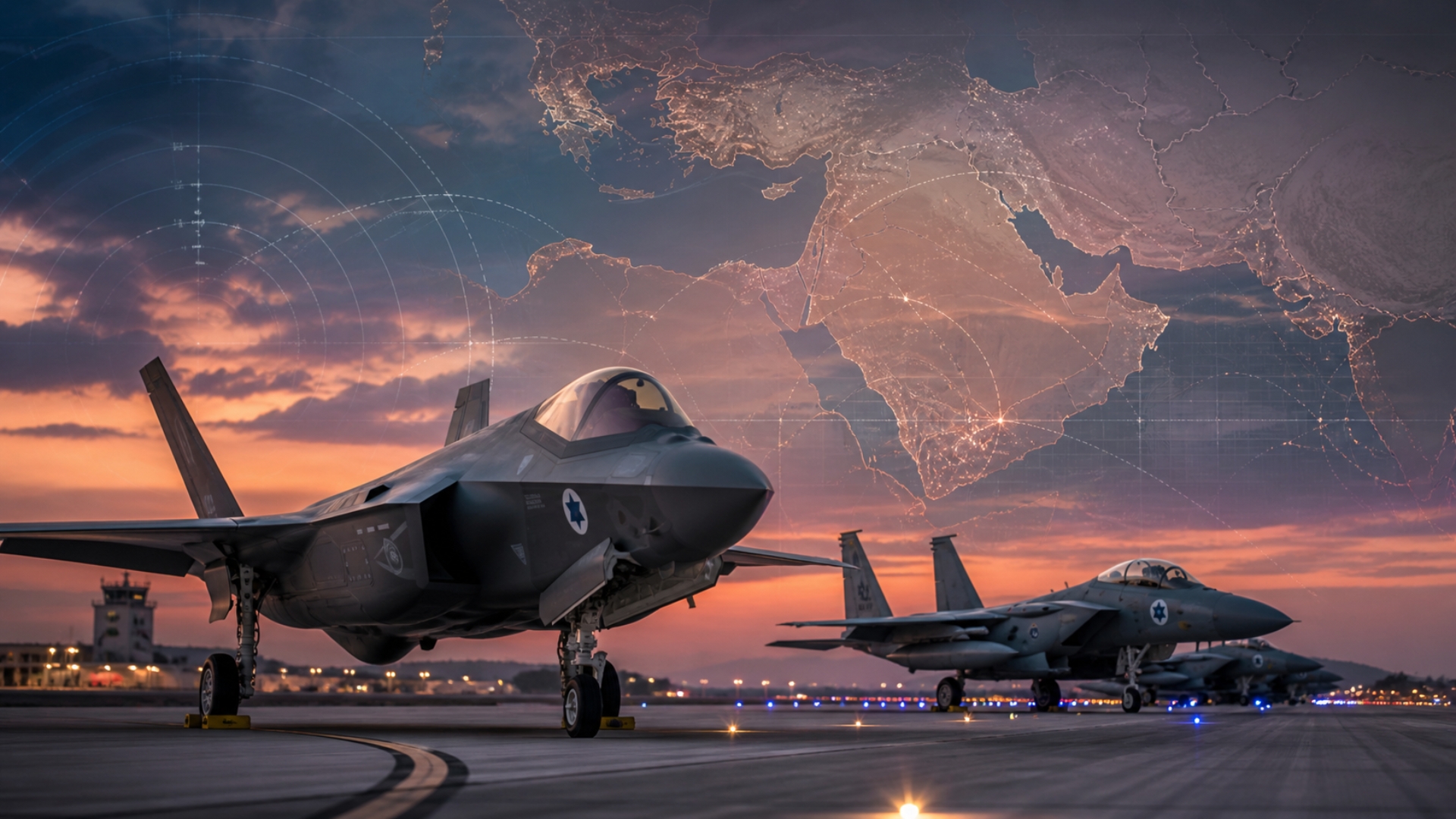
Israel has approved a significant plan to acquire a new squadron of F-35 stealth fighters from Lockheed Martin and an additional squadron of F-15IA aircraft from Boeing. This move, described by Reuters as the first phase of a broader 350 billion shekel ($119 billion) military procurement program over the next decade, marks a major shift in the country's defense strategy. Israeli officials have emphasized that this package is worth tens of billions of dollars and is aimed at strengthening the Israel Defense Forces’ future force structure.
The scale of this investment indicates that the initiative is not merely about replacing aging platforms. Instead, it reflects a long-term vision for building an air force capable of meeting the challenges of future conflicts. When a nation commits such substantial resources to advanced strike aircraft, it signals a strategic commitment to sustained competition rather than just routine defense needs. This conclusion is drawn from both the size of the procurement and the extended timeline outlined by Reuters.
Lessons from the Iran Conflict
Israeli leaders have explicitly linked this deal to lessons learned from recent hostilities with Iran. According to Reuters, Defense Minister Israel Katz stated that the experiences from these conflicts reaffirmed the critical role of air power in defending the country. Similarly, Defense Ministry Director General Amir Baram highlighted the goal of securing a long-term military advantage. The timing of the approval, following recent clashes with Iran, further underscores the connection between this purchase and the evolving strategic environment.
This framing makes the political implications of the deal particularly clear. Israel is not presenting this as a generic modernization effort but as a direct response to the new strategic realities shaped by Iran, missile warfare, and long-range operations. This interpretation is based on the public statements made by key officials.
Complementary Capabilities of F-35 and F-15IA
The combination of the F-35 and F-15IA aircraft highlights their distinct strategic roles. The F-35 is designed for stealth penetration, advanced sensing, and survivability against dense air defenses. In contrast, the F-15IA offers a heavy payload, extended range, and flexibility in large-scale strike operations. By acquiring both types, Israel aims not only to maintain air superiority but also to enhance its capacity for prolonged, layered long-range operations.
This is especially relevant in the context of potential confrontations with Iran. A campaign targeting distant, defended locations requires more than just a single successful strike. It involves maintaining repeated strike capabilities, carrying diverse weapon systems, and sustaining pressure over time. The mix of F-35s and F-15IAs supports this kind of operational planning, which is inferred from the known capabilities of these aircraft and the procurement structure described by Reuters.
Strengthening U.S.-Israel Military Ties
The deal also reinforces Israel’s reliance on U.S. military support. Reuters reported that Boeing had already secured an $8.6 billion Pentagon contract in late 2025 for 25 F-15IA jets for Israel, with an option for an additional 25. This demonstrates that parts of the buildup were already being integrated through the U.S. Foreign Military Sales system.
Strategically, this highlights the deep industrial, financial, and political ties between Israel and the United States. Despite the strain on U.S. weapons stockpiles due to regional conflicts, the continued prioritization of support for Israel’s air force underscores the significance of this partnership. This inference is based on the timing of the Boeing contract and the new approval package.
A Message of Deterrence
Military procurement of this scale always carries symbolic weight. In this case, the message appears to be directed at multiple audiences. To Iran, it signals Israel’s intent to preserve or enhance its long-range strike capabilities. To regional rivals, it conveys confidence in air power as a decisive tool. To domestic audiences, it demonstrates a strong commitment to investing in the most critical capabilities after recent conflicts.
The timing of the deal further amplifies this deterrent message. Approving the purchase shortly after public emphasis on war lessons makes it appear less like a routine budget decision and more like a statement of post-war intent. This interpretation is based on Reuters’ reporting regarding the decision date, the context of the conflict, and official statements.
Future Implications
The key takeaway is that Israel’s new fighter-jet deal is far more than a procurement headline. According to Reuters, it is part of a larger, long-term military buildup shaped by lessons from the Iran conflict and the belief that advanced air power will remain central to future deterrence and strike planning.
A compelling angle is that this purchase reflects Israel’s preparation for the next confrontation before the memory of the last one fades. The deal suggests that Jerusalem believes future threats from Iran will require not only improved defenses but also a stronger ability to reach farther, hit harder, and sustain that advantage over time.
