Why Fast Lens Speeds Are Just About Bragging Rights
The Evolution of Super Speed Lenses
In the modern era, super speed lenses—those with apertures of f/1.2 or faster—are a common sight in the photography world. However, there was a time when such lenses were virtually unheard of. The journey from the absence of these lenses to their current prevalence is an intriguing story that spans several decades.
The Beginning of High-Speed Lenses
The story began in 1953 when a small Japanese company, Teikoku Kogaku, introduced its 5cm f/1.1 lens under the Zunow brand. This lens, available in M39 (Leica), Nikon "S", and Contax mounts, was designed by Michisaburo Hamano, who had previously worked at Nippon Kogaku (now Nikon). It was considered a high-quality lens, albeit an expensive one. For several years, it remained the fastest lens available for 35mm cameras until Nikon matched its speed with their 50mm f/1.1 Nikkor in 1956.
Canon's Groundbreaking Lens
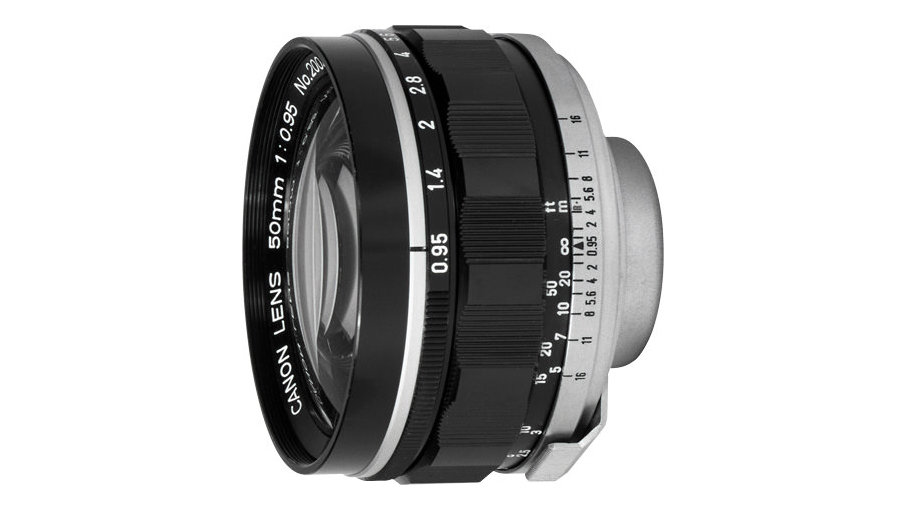
In 1961, Canon made a significant impact on the market with its 50mm f/0.95 lens for the Canon 7 rangefinder camera. This lens was exceptionally fast but also heavy and large, requiring a special three-lug bayonet mount to accommodate its size. No other lens used this mount, and the lens could not be used on other cameras. Despite issues like spherical aberration and flare control, it was produced until the end of Canon’s rangefinder era in 1971.
Leica's Noctilux: A Milestone in Optics
The demand for faster lenses accelerated in 1966 when Leica introduced its 50mm f/1.2 Noctilux. Designed by Helmut Marx and Paul Sindel, this lens featured two aspherical elements, which were handcrafted on a single special machine and polished by expert craftsman Gerd Bergmann. However, nearly 50% of the lenses failed quality tests before assembly. Those that passed were groundbreaking, offering excellent bokeh and reduced spherical aberration. Production continued until 1975, with only 1757 lenses completed.
The Zeiss Gigantar Hoax
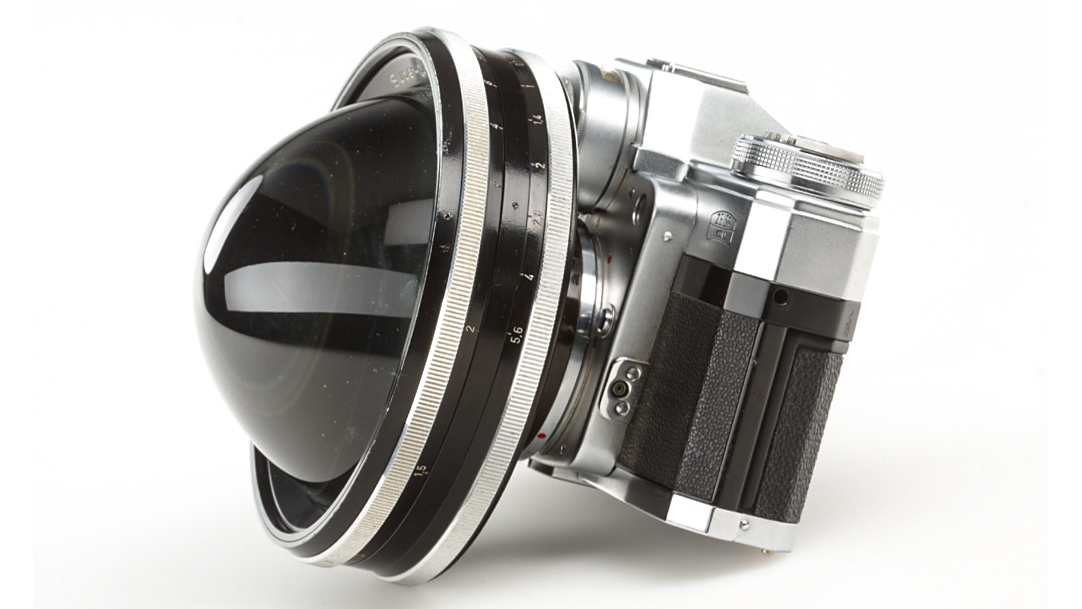
Also in 1966, Zeiss launched the Gigantar, a lens that claimed to be the fastest in the world. However, it turned out to be a hoax. Wolf Wehran, then head of Zeiss public relations, created the lens using an old enlarger condenser and spare parts, giving it a focal length of 40mm and an aperture of f/0.33. He called it the “Super-Q-Gigantar,” with “Q” standing for “quatsch,” meaning nonsense in German. Although the lens was not functional, it sold for €60,000 at auction in 2011.
The Legend of the f/1.0 Noctilux
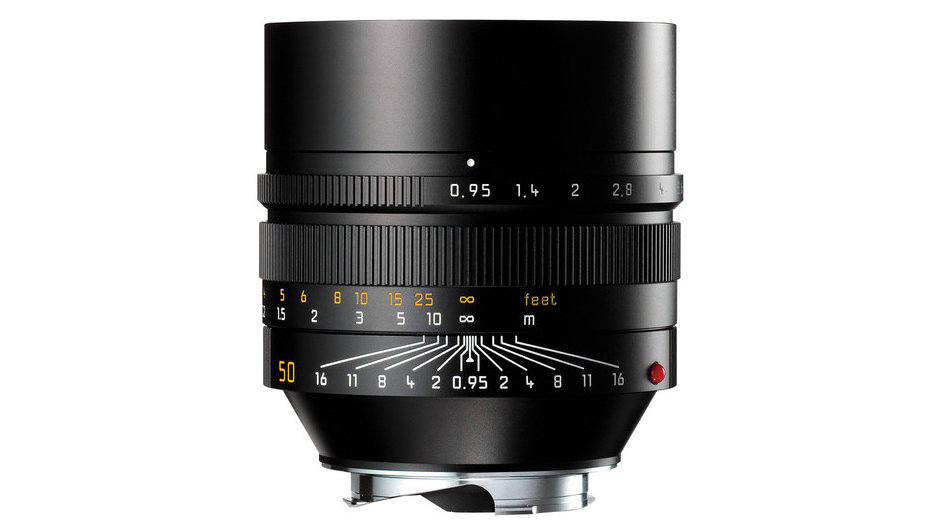
Walter Mandler, a renowned lens designer for E. Leitz, played a key role in the development of the f/1.0 Noctilux. After being loaned to Leica’s Canadian branch in 1952, he stayed for 30 years and became a Canadian citizen. Mandler secretly developed an f/1.0 lens design without permission. He took a prototype to Germany, where it was approved for production. The legendary f/1.0 Noctilux was introduced in 1976 and was known for capturing more detail than the human eye could perceive. It was produced until 2008, when the last maker retired, and was later replaced by an f/0.95 version.
The Role of Aspheric Lenses
The difference between f/1.0 and f/0.95 is minimal, just 0.14 of a stop, and often irrelevant in practical photography. These terms are sometimes used to distinguish versions or for marketing purposes. In 1982, Kodak pioneered the use of precision-moulded aspheric lens elements, replacing traditional grinding methods. This advancement led to the widespread availability of aspheric lenses, improving modern optics significantly.
The evolution of super speed lenses reflects the continuous pursuit of innovation in photography. From early attempts in the 1950s to the sophisticated designs of today, each step has contributed to the remarkable capabilities of modern lenses.
