EU Pushes Rapid Launch of Age-Verification App to Safeguard Minors Online
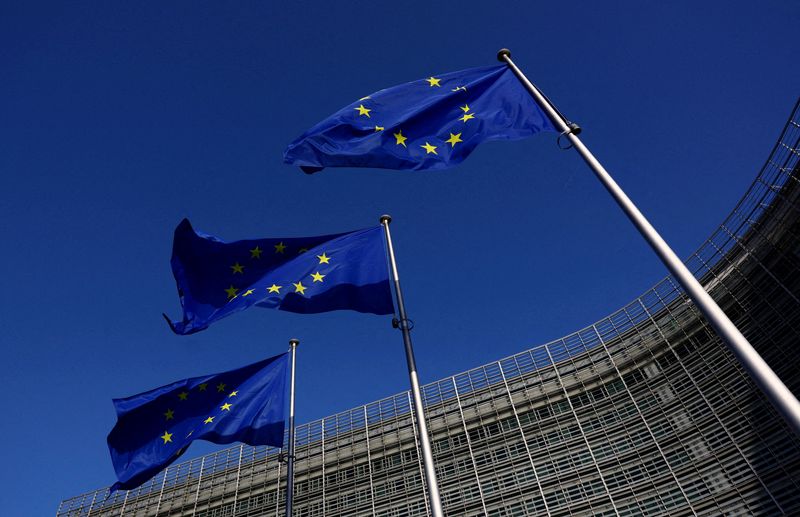
The EU's New Age Verification App
The European Commission has called on member states to quickly adopt a new age verification app aimed at protecting minors from harmful content online. The initiative comes as part of a broader effort to limit children's access to social media platforms and ensure that the technology is available everywhere by the end of the year.
This call followed the EU's announcement earlier this month that the app was ready for implementation. The commission stated that its blueprint for the app had been finalised, allowing users to prove they meet a required age threshold without revealing their exact age, identity, or any other personal details.
EU Commissioner Henna Virkkunen addressed reporters in Brussels, stating: "It will allow everybody to keep browsing the internet in full privacy while ensuring that children do not have access to content that is not meant for them."
Implementation and Integration
The Commission highlighted that it is now up to individual countries to create national age verification solutions aligned with the blueprint. The EU age verification can be used as a standalone app, but it can also be customised and integrated into a so-called 'digital identification wallet'. Member states are required to provide these digital wallets to their citizens by the end of the year.
According to EU regulations, online platforms must ensure the privacy and safety of minors online. This includes implementing measures to prevent underage users from accessing inappropriate content.
Enforcement and Penalties
Earlier on Wednesday, Facebook and Instagram were charged with breaching the EU's Digital Services Act (DSA) for failing to prevent children under the age of 13 from accessing their services. This follows the European Commission's February statement that preliminary findings indicated TikTok's addictive design was in breach of the DSA.
These actions underscore the EU's commitment to holding online platforms accountable for safeguarding young users. The new age verification app is expected to play a key role in this effort, offering a secure and private way for users to verify their age without compromising their personal information.
Key Features of the Age Verification App
- Privacy Protection: Users can confirm their age without disclosing their exact age, identity, or other personal details.
- Flexibility: The app can be used as a standalone solution or integrated into a digital identification wallet.
- Compliance: It aligns with EU regulations requiring online platforms to protect minors' privacy and safety.
- Accessibility: The technology is set to be available across the EU by the end of the year.
Challenges Ahead
While the introduction of the age verification app marks a significant step forward, challenges remain. Member states must work swiftly to implement national solutions that meet the EU's standards. Additionally, ensuring widespread adoption and user trust will be crucial to the app's success.
The ongoing enforcement of the DSA against major tech companies like Facebook, Instagram, and TikTok highlights the urgency of these measures. As the digital landscape continues to evolve, the EU's focus on protecting minors remains a top priority.
Conclusion
The EU's new age verification app represents a proactive approach to addressing the risks faced by young users online. By combining privacy protection with effective age verification, the initiative aims to create a safer digital environment for all. With the support of member states and the cooperation of online platforms, the goal of safeguarding minors from harmful content becomes more achievable.
